‘Operation Not Forgotten’ Extends into 4th Consecutive Year
FBI announced surge in investigative assistance to Indian Country
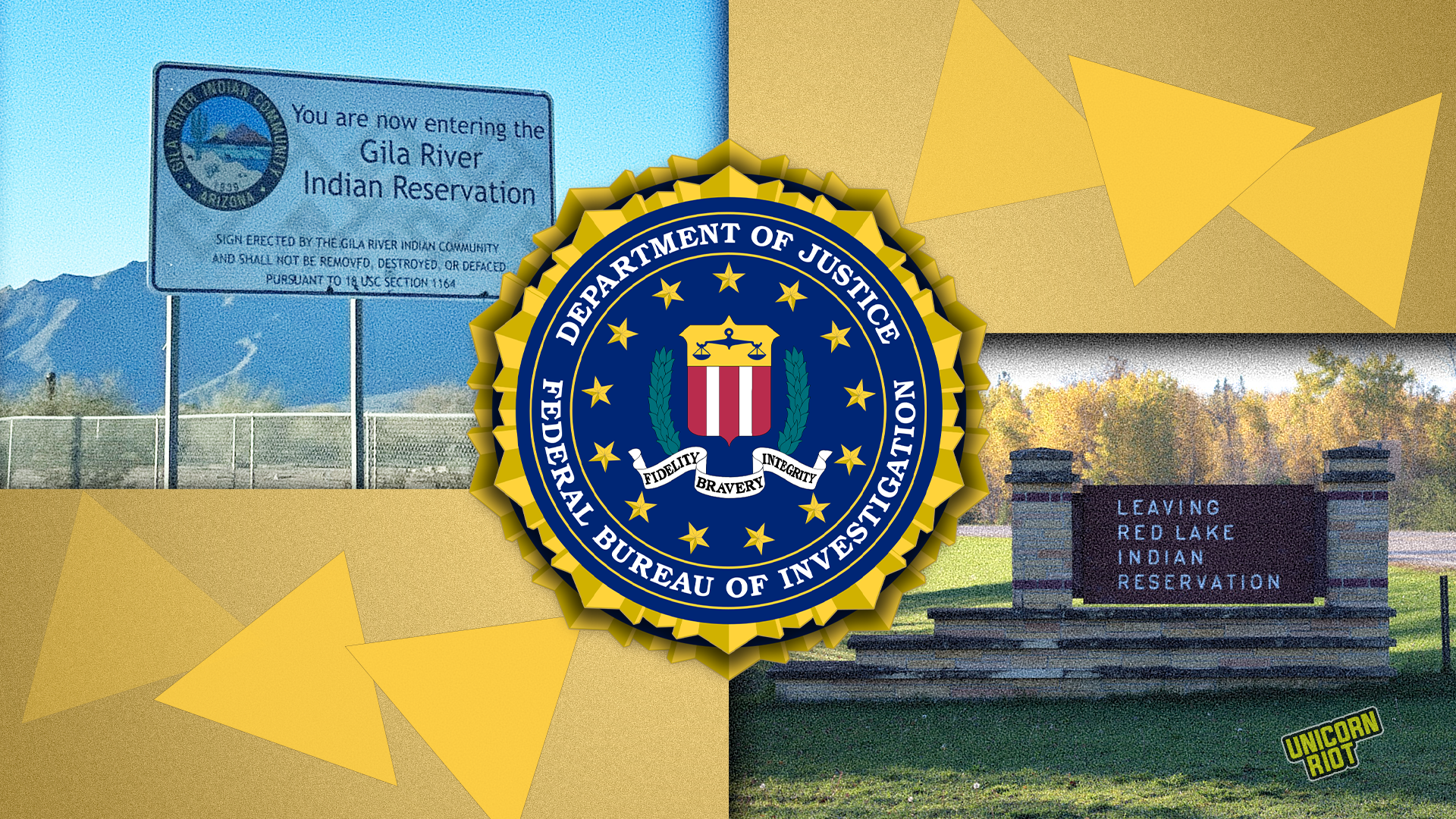
The U.S. Federal Bureau of Investigation (FBI) announced on Thursday, April 2 that it is extending an operation that addresses violent crime in Indian Country. It is the fourth consecutive year of “Operation Not Forgotten” said the FBI in an announcement. According to the FBI, the operation specifically focuses on unresolved cases in Indian Country with an emphasis on violent crimes including violence against women and children as well as missing and murdered people.
Operation Not Forgotten is a major initiative under FBI’s Operation Steadfast Promise, says the agency, and aimed at addressing violent crimes impacting Indian Country. The FBI coordinates with several federal law enforcement agencies including the Bureau of Indian Affairs (BIA) Missing and Murdered Unit as well as tribal law enforcement partners to investigate unresolved cases across multiple territories.
Former Attorney General Pamela Bondi issued a statement on Thursday, April 2, and said, “We will never accept the high rates of violence suffered by American Indian and Alaska Native people. This surge will comprehensively address Indian Country violent crime – from gangs, guns and drugs, to domestic and sexual violence – while strengthening partnerships and public safety in Tribal communities.”
However, the statements issued are misleading and the FBI does not have jurisdiction in all of Indian Country, so data regarding crime in Indian Country is difficult to compile and disseminate.
According to the FBI, there are more than 4,100 open violent investigations in Indian Country, which is the legal term relating to lands owned or governed by a federally recognized tribe. Today, there are 575 federally recognized tribes in the nation, where some tribes share lands with other tribes, and some tribes do not have Indian lands.
The FBI has special jurisdiction to investigate crimes committed on about 200 reservations nationwide, but only in states without Public Law 280. Today, there are 326 Indian land areas in the U.S. administered as federal Indian reservations, according to the Bureau of Indian Affairs.
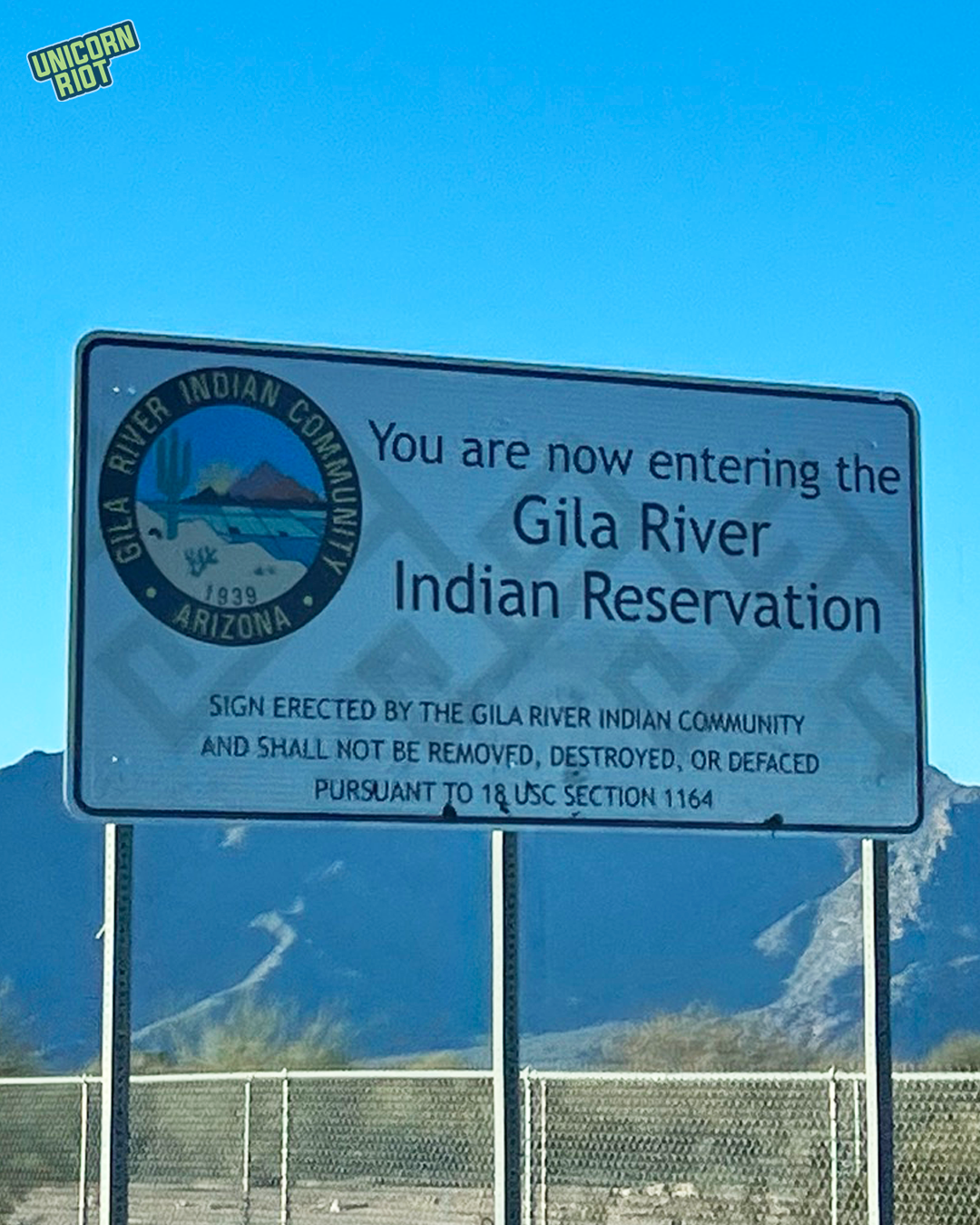
The FBI derives its criminal jurisdiction primarily from two federal laws: the General Crimes Act and the Major Crimes Act. Both laws were passed during the “Reservation Era,” the time period where Indian tribes were forced to reside on newly established Indian reservations and relate to crimes committed by an “Indian” on Indian lands.
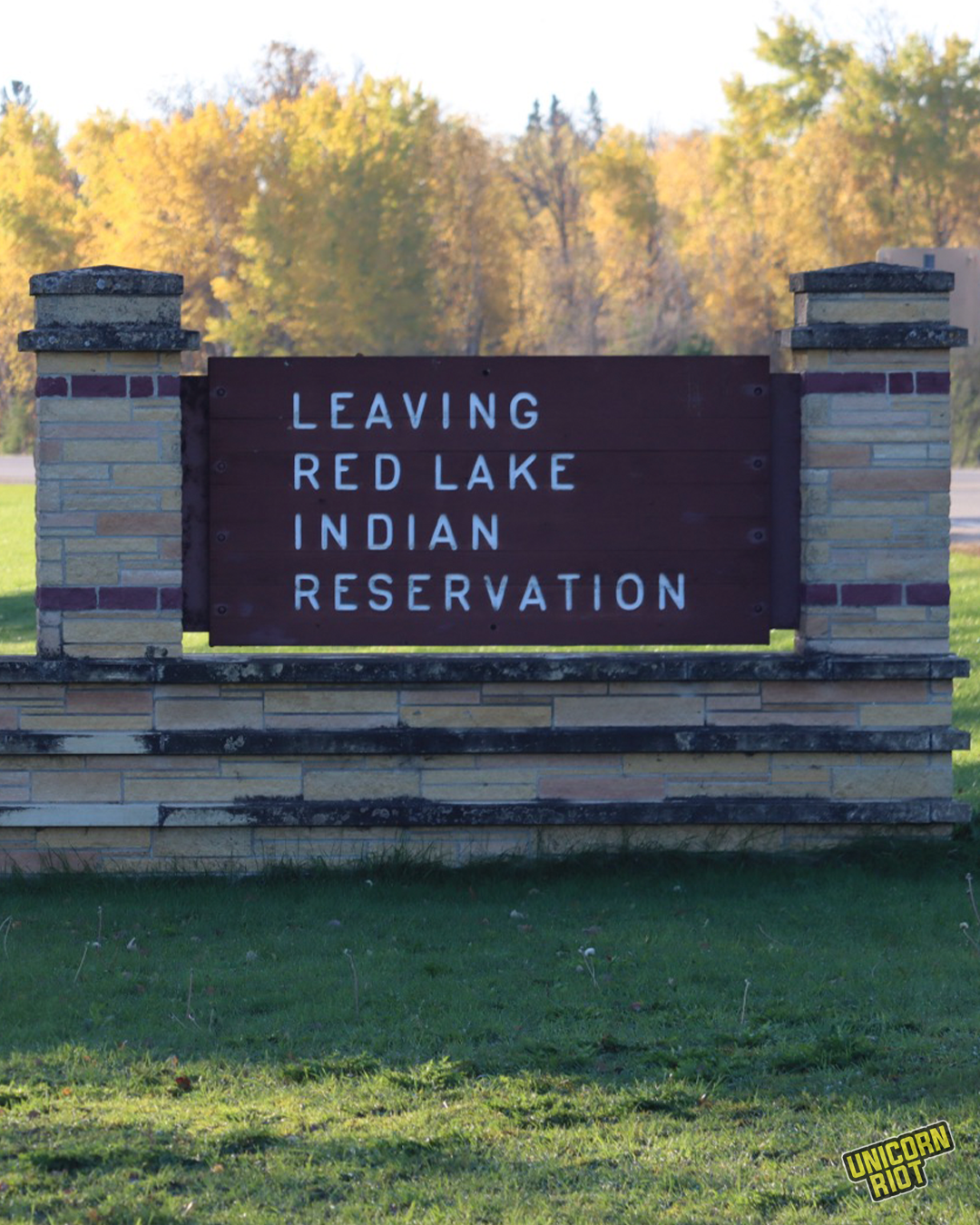
Public Law 280 is a 1950’s federal statute that transferred criminal and civil jurisdiction over many Indian lands from federal to specific state governments, including California, Minnesota (excluding the Red Lake Reservation), Wisconsin, Nebraska, Oregon, and Alaska. Tribal law enforcement agencies often handle matters related to tribal codes and regulations such as misdemeanor crimes or civil citations in those states.
The federal government takes jurisdiction in non-Public Law 280 states in Indian Country regards to violent crimes related to murder, manslaughter, kidnapping, maiming, incest, a felony assault, an assault against an individual who’s under the age of 16 years, felony child abuse or neglect, arson, burglary, or robbery.
FBI Director Kash Patel also issued a statement and said, “For far too long our tribal partners have been forgotten while their communities suffer unacceptably high rates of violent crime. Last year’s Operation Not Forgotten was a tremendous success in delivering the resources long needed in Indian Country – and we are just getting started. This FBI will continue working together with our Tribal and federal partners to again surge personnel to block violent actors who think they can act lawlessly within these revered communities.”
According to the announcement, the FBI will be deploying agency personnel on rotating temporary duty assignments across Indian Country in eleven field offices in Albuquerque, Billings, Detroit, Denver, Jackson, Las Vegas, Minneapolis, Oklahoma City, Omaha, Portland and Phoenix. The agency said, “Working in close coordination with Tribal law enforcement agencies, the BIA Missing and Murdered Unit, and U.S. Attorneys’ Offices, together law enforcement will work to advance open investigations and pursue accountability for victims and their families.”
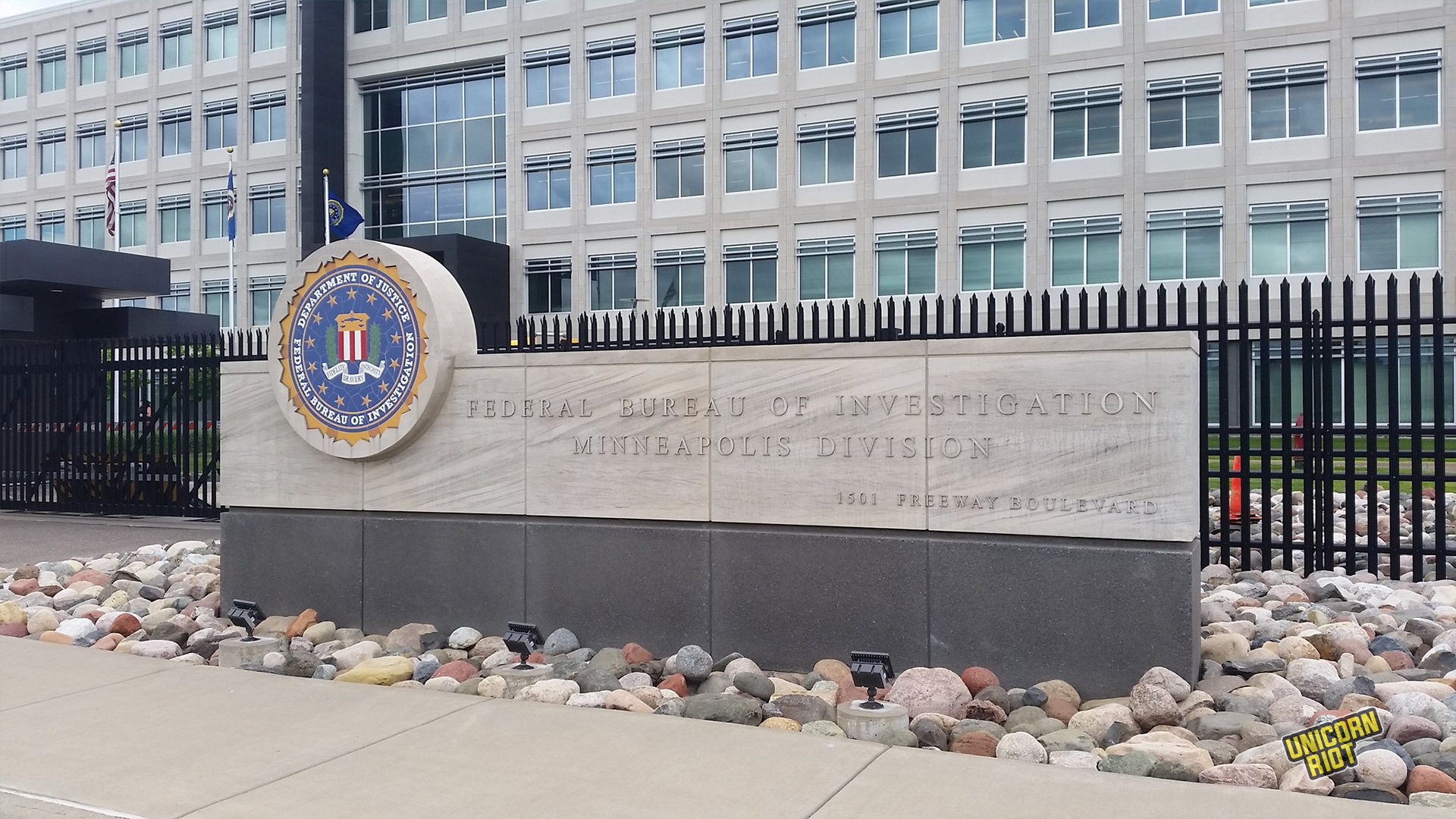
While senior federal officials are issuing statements on addressing violent crime in Indian Country, tribal leaders have continuously asked Congress and other federal officials to fund public safety in Indian Country.
Public safety initiatives are both a trust and a treaty right in Indian Country but have been chronically underfunded. American Indians and Alaskan Natives experience, on average, higher rates of violent crime according to the Bureau of Indian Affairs.
The Oglala Sioux Tribe has taken the federal government to court twice over funding issues regarding public safety on the Pine Ridge Reservation in South Dakota. Last month, the Fort Belknap Indian Community in northern Montana filed a lawsuit against the Bureau of Indian Affairs alleging underfunding of its law enforcement agency.
Previous years of the operation in Indian Country do not provide clear results, either. In its release, the FBI said prior years of deployment have provided investigative support to more than 700 cases, resulting “in the recovery of child victims, arrests, and federal indictments”. However, the agency does not share how many child victims, arrests or federal incitements have resulted in operation investigations.
The FBI or Dept. of Justice did not respond to inquiries as of press time.
Follow us on X (aka Twitter), Facebook, YouTube, Vimeo, Instagram, Mastodon, Threads, BlueSky and Patreon.
Please consider a tax-deductible donation to help sustain our horizontally-organized, non-profit media organization: