Two US Citizens Among 19 Slain in Philippines ‘Massacre’
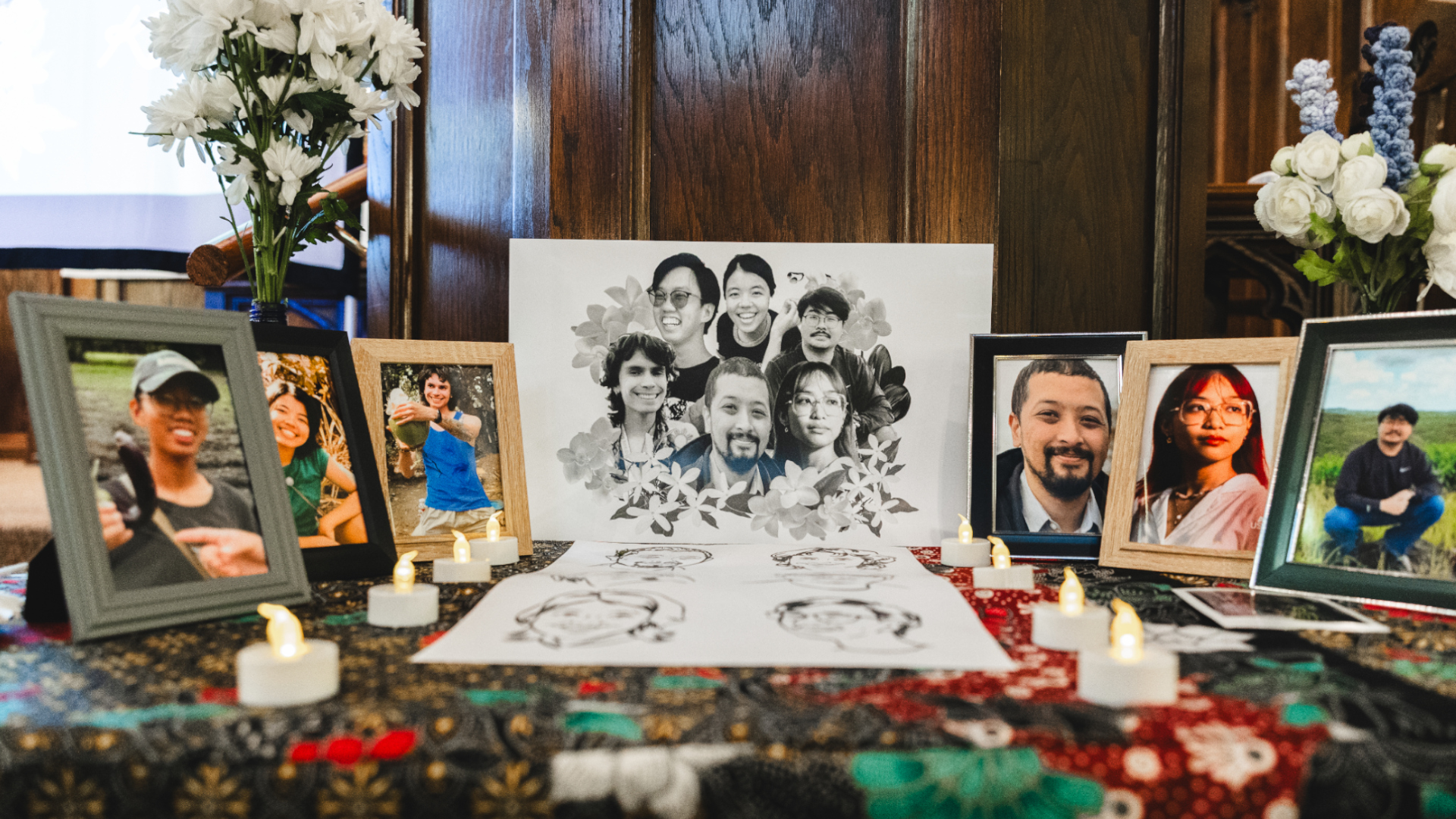
Negros Island, Philippines — On April 19, 2026, the 79th Infantry Battalion of the Armed Forces of the Philippines killed 19 individuals on Negros Island. Nine of the slain have been identified as civilians, including two Filipino Americans — Kai Dana-Rene Sorem of Seattle and Lyle Prijoles of Hayward, California. Also among the dead were Alyssa Alano, a 22-year-old student activist majoring in political science at the University of the Philippines, and RJ Nichole Ledesma, a journalist, poet, and editor of alternative media outlet Paghimutad. Additionally, three minors were killed in the military assault.
The deaths occurred as the Armed Forces of the Philippines allegedly conducted “hours of low-flying indiscriminate strafing” against several civilian communities. The military was supposedly targeting the New People’s Army (NPA), the military wing of the Communist Party of the Philippines, which has conducted armed struggle against the Philippine state since 1969.
But the New People’s Army claimed only ten out of the 19 deceased as members, including Commander Roger Fabillar, who was captured alive and summarily executed. Despite this, the government of the Philippines contends that all nineteen of the dead – among them youth, student activists, and two US human rights defenders – were NPA members who refused to surrender. The Philippine government, led by the son of late dictator Ferdinand Marcos, has gone so far as to refer to the killings as “justice served” and awarded medals to participating troops.
At the same time, the Philippines’ Commission on Human Rights, an independent governmental office, has expressed serious concerns over “inconsistencies” following the killing. The attack has drawn international condemnation, with ASEAN Parliamentarians for Human Rights Chairperson Mercy Chriesty Barends contending that “an operation that cannot distinguish between armed combatants and community workers is an indiscriminate attack that violates international humanitarian law. The [Armed Forces of the Philippines] must be held accountable.”
Renowned forensic pathologist Dr. Raquel Fortun examined the bodies of five of the deceased. Fortun subsequently flagged evidentiary irregularities so severe that they included the surrender of an incorrect body to one grieving family. Her autopsies found that several of those killed were shot in the back of the head. “Why do they have wounds in the back if it was an [armed] confrontation?” Fortun queried at a May press conference.
One woman was shot non-fatally three times before being killed by a fourth shot to her leg. “Isn’t that a war crime?” asked Fortun. “Because they were injured. They should have been attended to.” Among the bodies Fortun examined was that of Lyle Prijoles of California.
Solidarity or Terrorism?
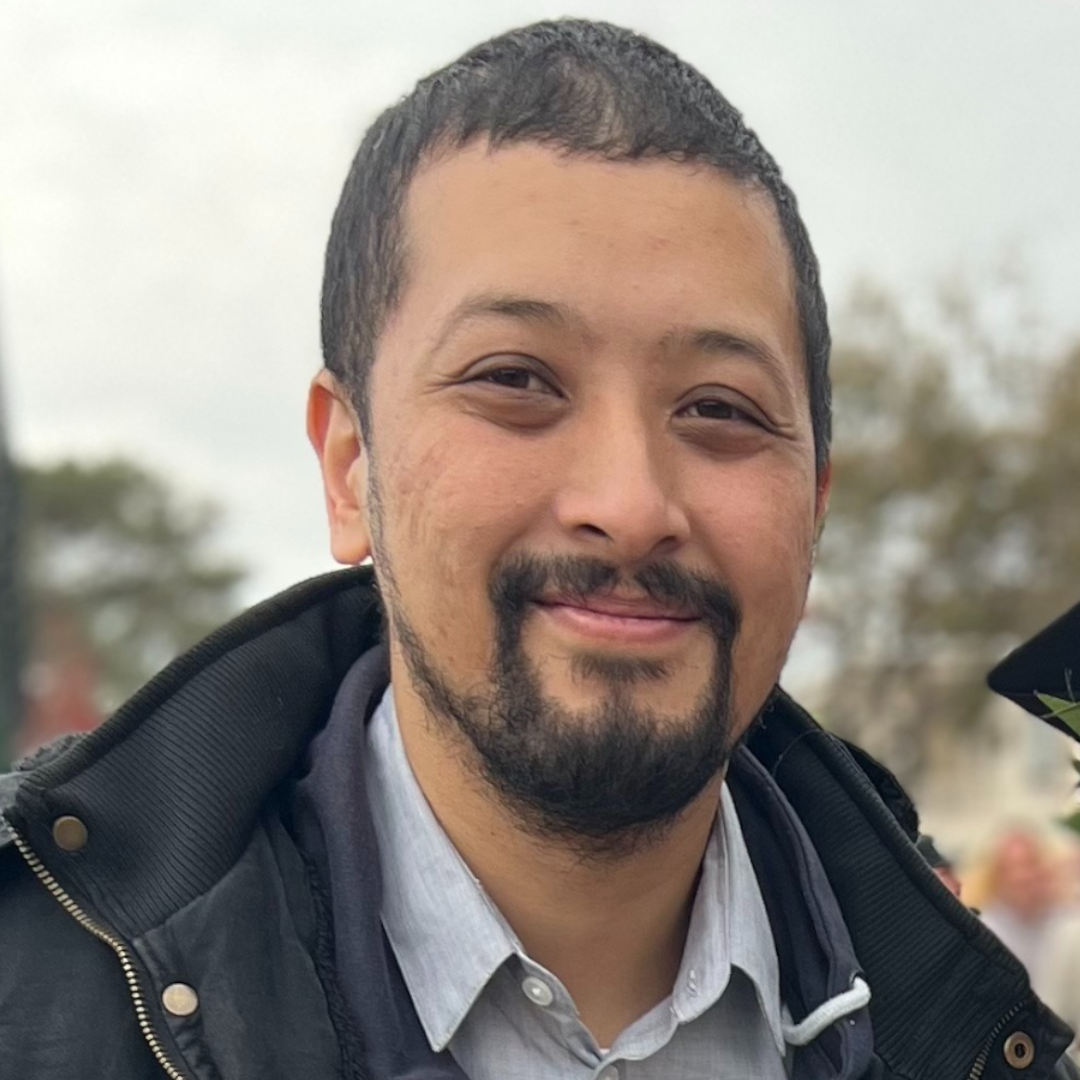
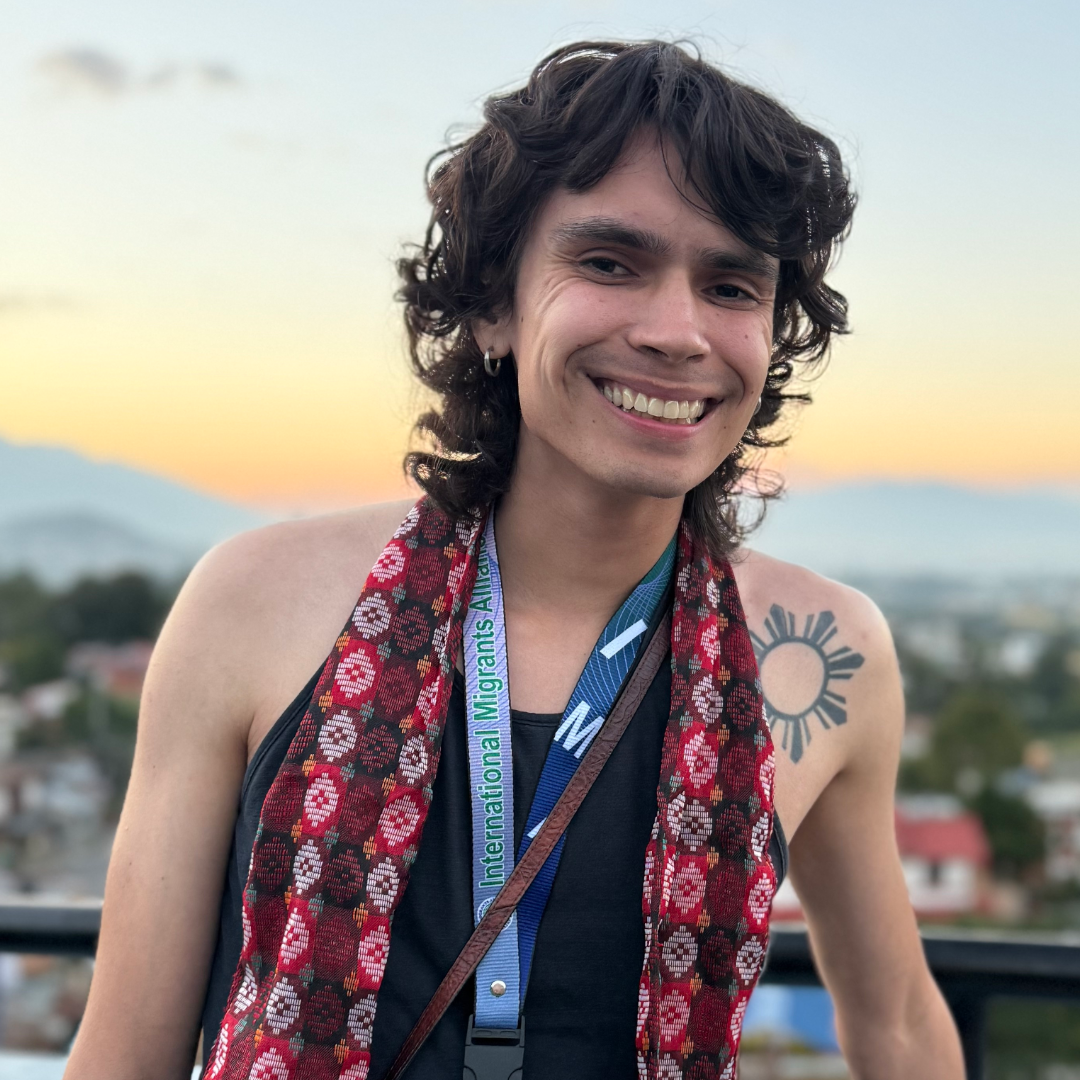
Supporters emphasize that Prijoles and Sorem, the slain Filipino Americans, were community organizers, not soldiers. Kai Sorem was a founding member of the South Seattle chapter of the Filipino youth organization Anakbayan USA, while Lyle Prijoles was in Negros as a member of the International Coalition for Human Rights in the Philippines (ICHRP). Both were integrating with peasant communities on the largely agrarian island, whose sugar plantations are the primary source for the 2 million metric tons of sugar the Philippines produce annually, principally destined for export to the United States.
“Sugar farmers on Negros earn between 300 and 500 pesos a day ($5-$8.33 USD), way below the minimum wage in the Philippines. This is one of the reasons why both Lyle Prijoles and Kai from Washington went to Negros: to integrate, to learn from the peasant farmers, to bring [that knowledge] back to the U.S.,” Brandon Lee of ICHRP told Unicorn Riot.
Negros Island was the site of a vast famine in the 1980s when 200,000 farm workers lost their jobs due to falling global sugar prices and mismanagement of the state-owned National Sugar Trading Corporation. During the famine, an estimated 100,000 children suffered from malnutrition, leading to burgeoning support for the Communist Party and New People’s Army.
In the Philippines today, “the coexistence of a feudal or semi-feudal economy with capitalism produces a massive supply of landless farm workers” like those with whom Prijoles and Sorem were working, those whose labor continues to enrich “the agribusiness of transnational corporations and a small landed class,” writes sociologist Ligaya Lindio-McGovern.
Lee, who was close friends with Lyle Prijoles, himself survived a widely reported assassination attempt in the Philippines in 2019 after he was denounced as a communist terrorist by government-aligned social media accounts. He shared with Unicorn Riot that Prijoles had visited landless farm workers in the Philippines every few years starting in 2006.
Rather than object to the killing of two of its citizens, the United States Embassy in the Philippines merely “advised” that “anyone in proximity of NPA elements is at grave risk of arrest, injury, or death.” The government of the Philippines declared that a “transnational network of recruitment, radicalization and terrorism” is funneling Americans into supporting the long-running communist insurgency, commending “the first direct and explicit recognition by the United States government that its own citizens are being drawn into violence by organizations linked to the CPP.” There is a grave risk that these murders will catalyze domestic repression of left-wing Filipino-American organizations within the United States, especially at a time of heightened political repression.
While acknowledging the risk of repression, Lee was emphatic that all of the activities conducted by ICHRP are legal in nature.
“Everything we have done is transparent, is legal, and there is nothing wrong for Lyle and Kai to go back to the Philippines, which they consider home. There’s nothing wrong for international solidarity activists to go to the Philippines to witness from the Filipino people themselves, to hear from them their stories, to be among them, to live with them, to eat with them, and know their struggle,” Lee continued. “There’s nothing wrong with what ICHRP does. There’s nothing wrong with what BAYAN USA or Anakbayan USA does when we go to the Philippines. All of our activities are within the legal realm, and it’s in support of the Filipino people themselves who have been asking for help.”
Displacement and Resistance
In the wake of the Negros Island killings, over 600 local residents have been displaced.
“When the operation happened, the Philippine military was already trying to ‘hamlet’ the families, meaning they would corral the families into an area outside of their [village/district] so that… the New People’s Army will not get any support directly from the people themselves,” said Lee of ICHRP. A reference to the United States’s Strategic Hamlet Program during the Vietnam War, “hamletting” is the longstanding practice of the Armed Forces of the Philippines forcibly relocating indigenous civilians en masse in an attempt to cut off popular support for insurgents.
Alleged human rights abuses have not deterred ongoing US military assistance for the Philippines. The day after the Negros Island killings, the United States and the Philippines began Exercise Balikatan 2026, the largest annual bilateral military exercise between the two nations. This year, the Balikatan war games included troops from Australia, France, Canada, Japan, and New Zealand.
The United States’s 2026 National Defense Authorization Act provides $2.5 billion worth of military assistance to the Philippines, with U.S. Senator Tim Kaine, a Virginia Democrat lauding the Philippine government as a “key ally” in the fight “to counter China’s aggression and help ensure freedom, security, and prosperity in the Indo-Pacific.”
Advocates question the United States’s expanding military aid to the Philippines while the Armed Forces of the Philippines are engaged in brutal counterinsurgent operations that have led to “indiscriminate” civilian deaths, including of U.S. citizens.
“The horrific facts revealed by the autopsy show the extent to which the Philippine government will cover up its war crimes,” said Andan Bonifacio of BAYAN USA in a statement. “It only makes us more motivated to fight for justice.”
Cover image provided by Justice for Negros 19 local media team.
Follow us on X (aka Twitter), Facebook, YouTube, Vimeo, Instagram, Mastodon, Threads, BlueSky and Patreon.
Please consider a tax-deductible donation to help sustain our horizontally-organized, non-profit media organization: