South African Graffiti Artist Unveils Anti-Consumerist Mural in Durban
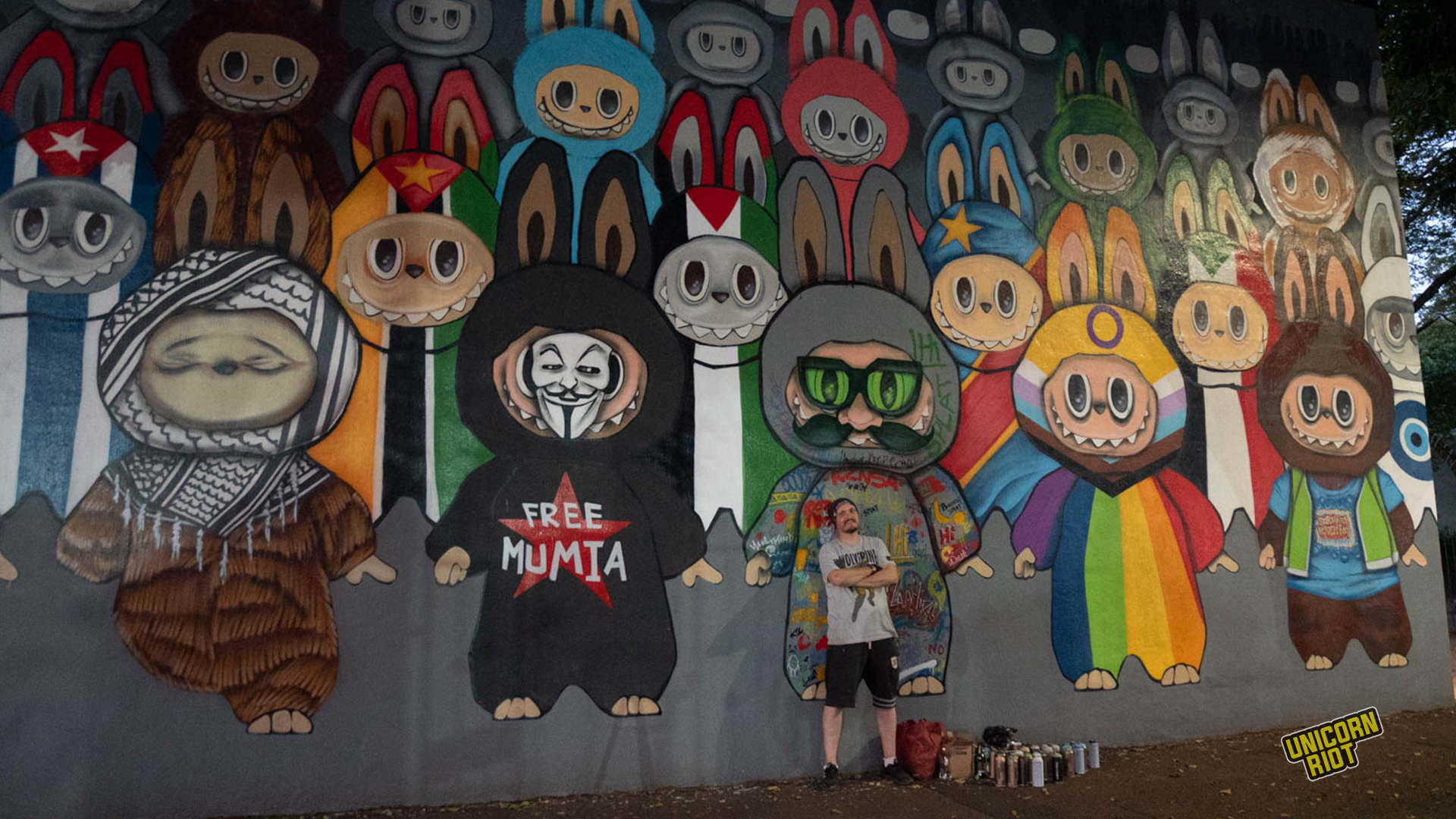
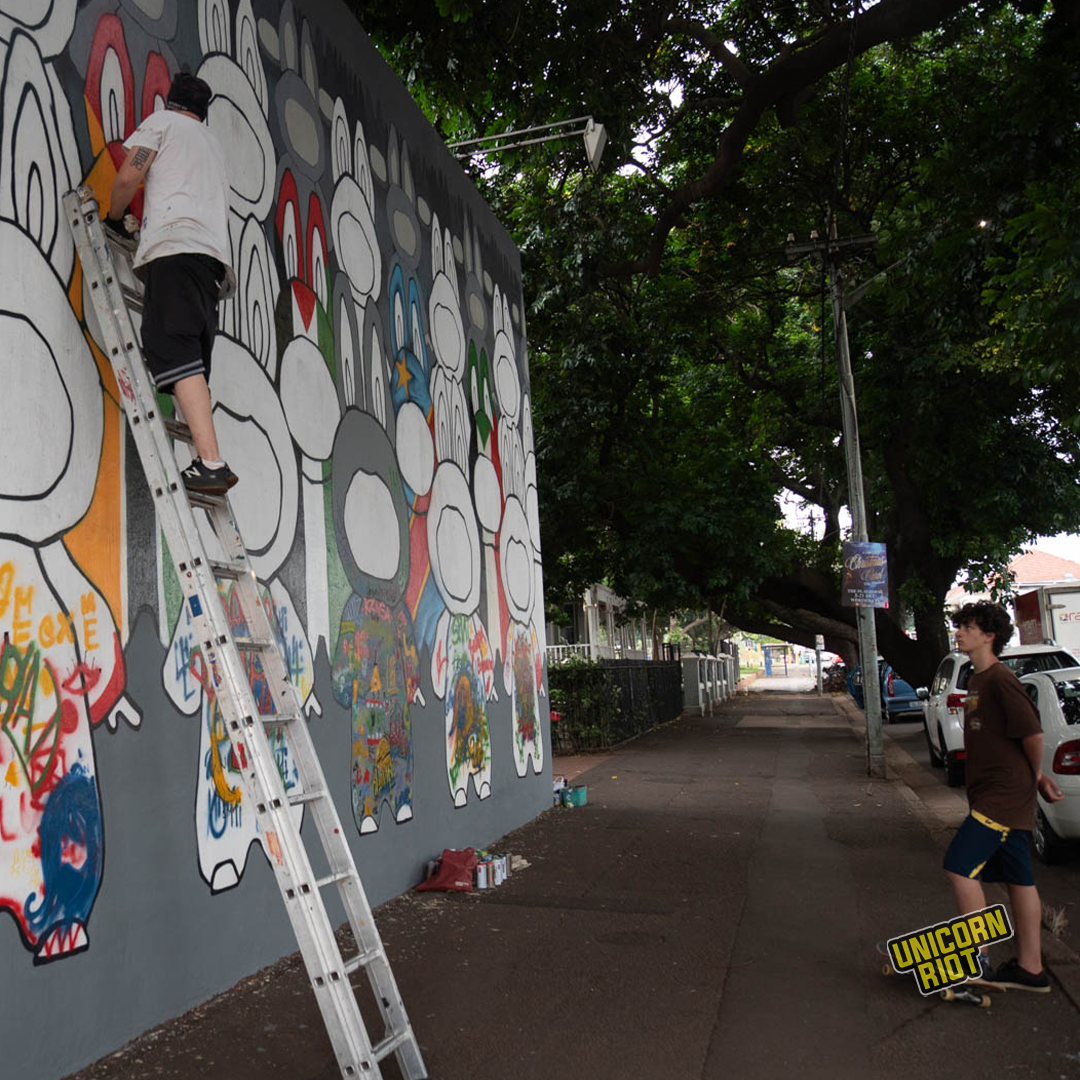
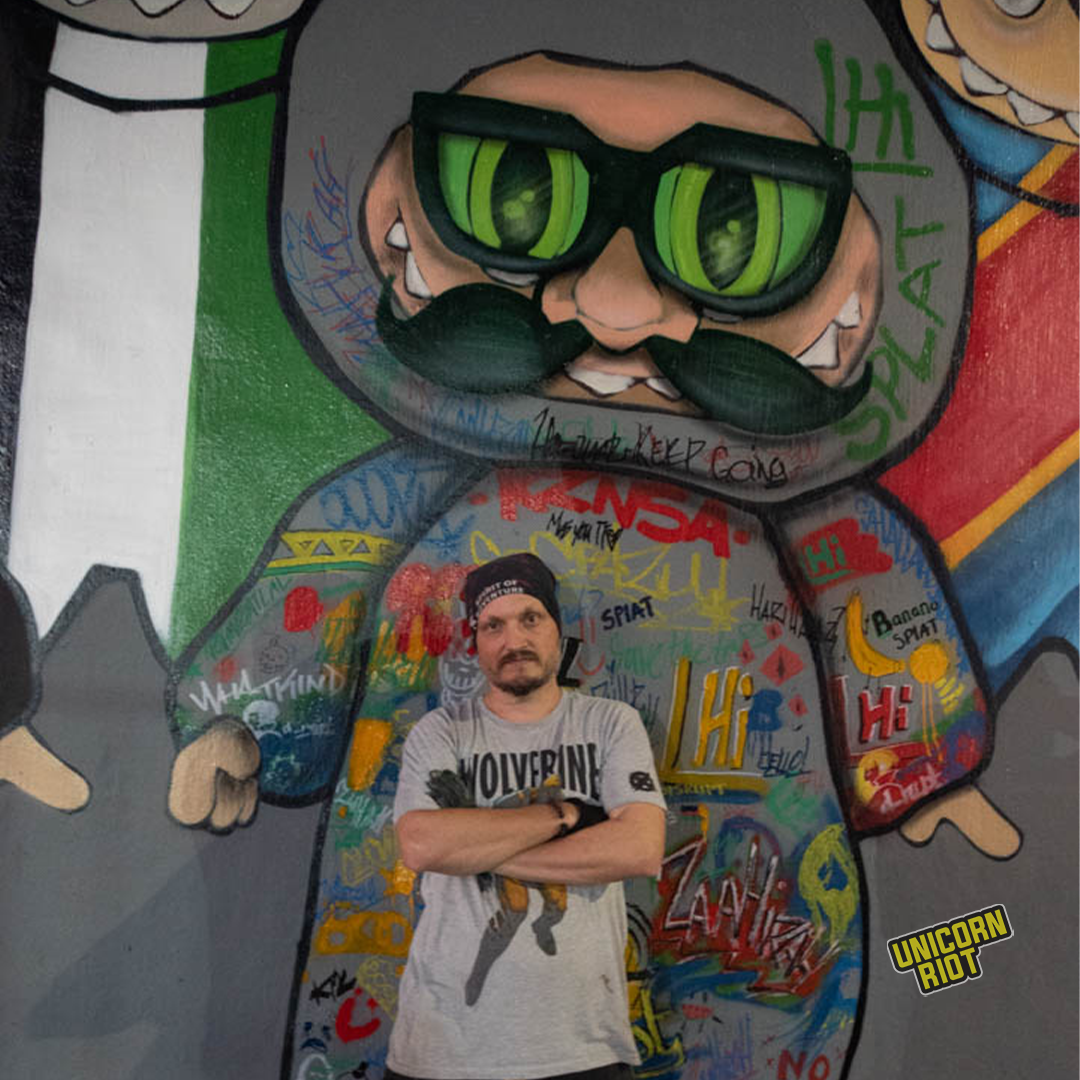
Durban, South Africa — Longtime South African graffiti artist “Ewok” recently showcased his latest mural at Durban’s iconic KwaZulu-Natal Society of the Arts (KZNSA). Unicorn Riot interviewed Ewok during the painting to expound more on the background and inspiration for the anti-consumerist set piece.
The KZNSA art studio is located in the heart of Durban’s Glenwood community — a historically white neighborhood that has become progressively more diverse in the post-apartheid era — playing host to a growing number of young college students, artists and activists.
The studio has long served as a pillar of the Glenwood community, but like many publicly funded institutions in the city, it is constantly under financial pressures to keep the doors open. Ewok describes the space as “a public gallery,” but one that “relies on public, private, and local government partnership to keep itself going. And that has not been an easy journey.”
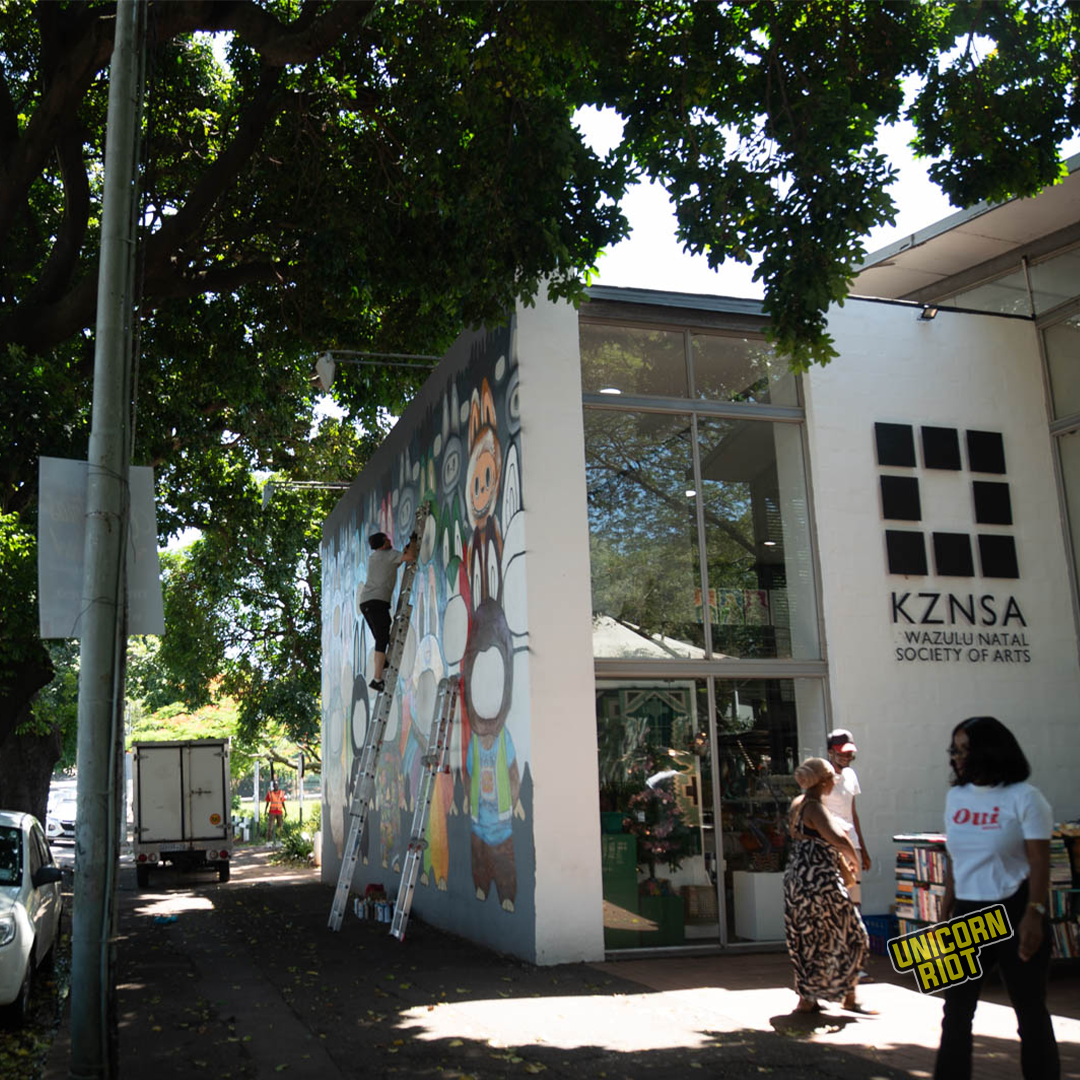
Despite these challenges Ewok is quick to praise the gallery for its remarkable tenacity, adaptability and perseverance in the face of such adversity.
“The fact that the KZNSA is still here and still keeping itself going is testament to the way that it constantly is evolving, constantly reinventing itself, constantly looking around and making itself relevant to what is going on in the city scene.”
Ewok
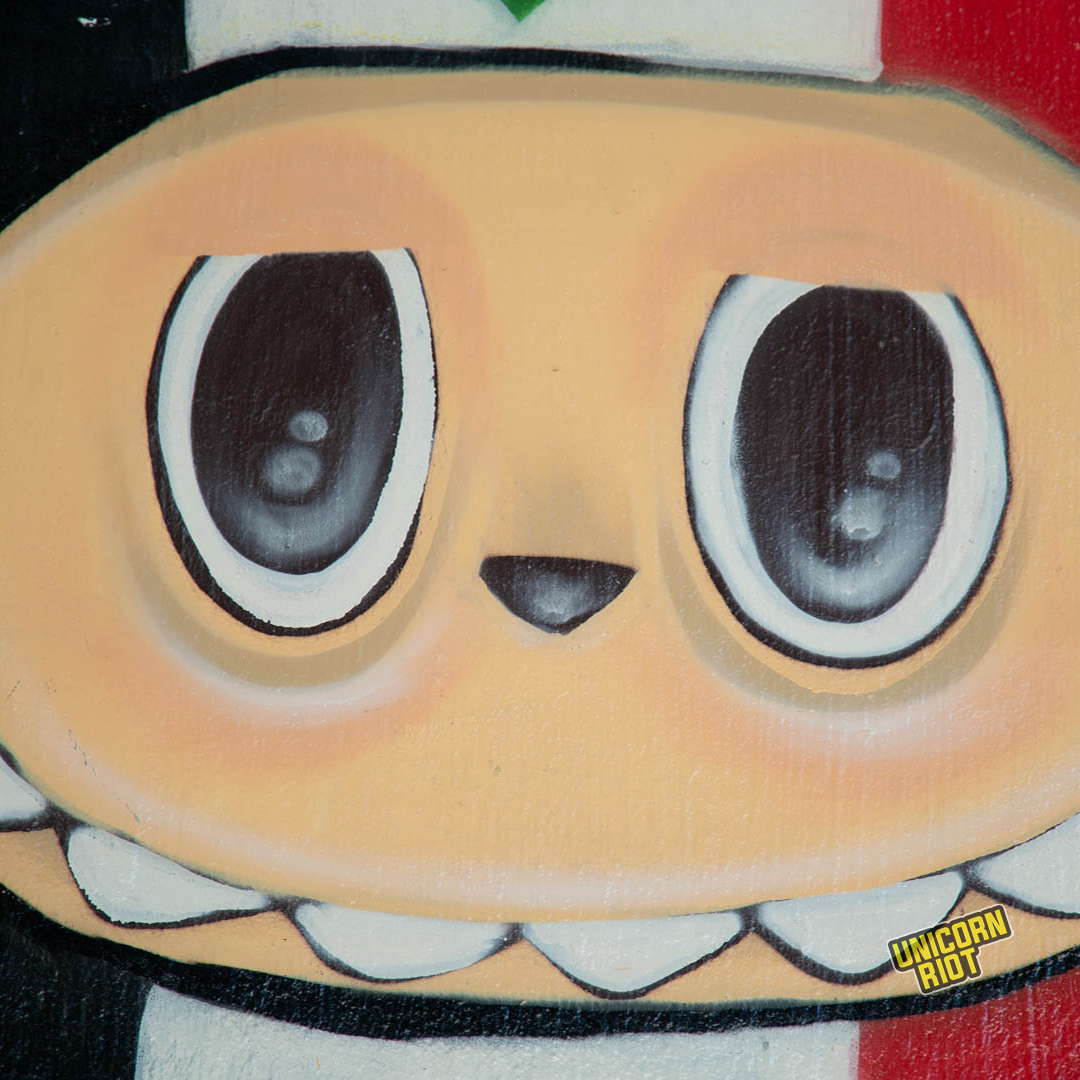
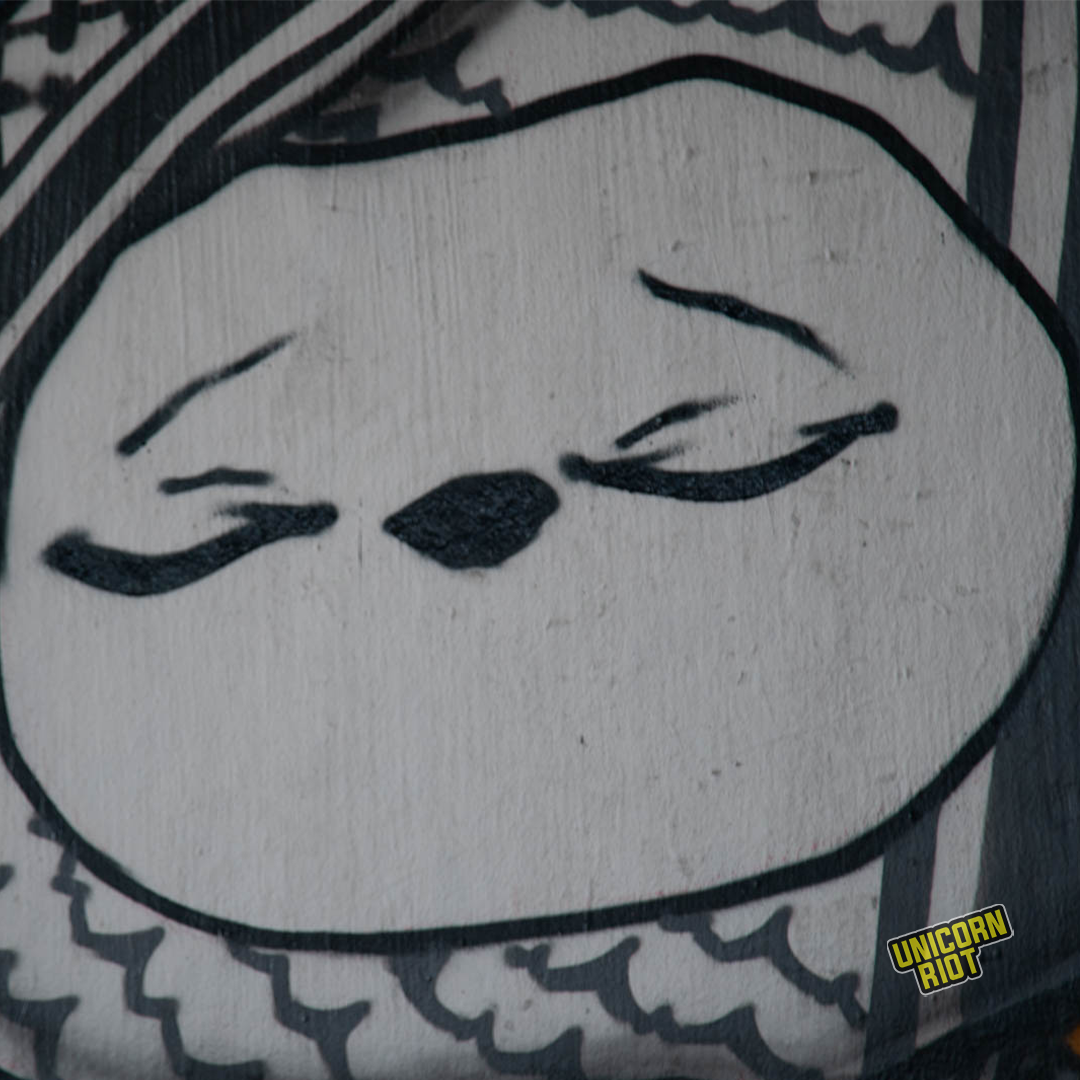
The mural titled “Majority World” serves as a cultural critique of the Labubu doll phenomenon. Labubus are a line of plush dolls owned by the Chinese based toy company Pop Mart.
Initially created by Hong-Kong born illustrator Kasing Lung, the dolls depict rabbit-like elves with sharp jagged edged teeth and animated facial expressions. The products have become especially popular in east Asia and the “Global South,” but have also gained recognition from some major western pop cultural icons like Rihanna and South Park.
Ewok explained how the so-called Global South — or the “Majority World” as he reclassifies it — has long been a “dumping ground” for capitalist consumer products. On the other hand:
“We’re incredible spaces and sites of resistance against that. There’s a lot of reappropriation that happens in the majority world, a lot of recognition and opposition as these dumping sites. But we like to take that stuff and reappropriate it and give it new meaning and give it new power.”
Ewok
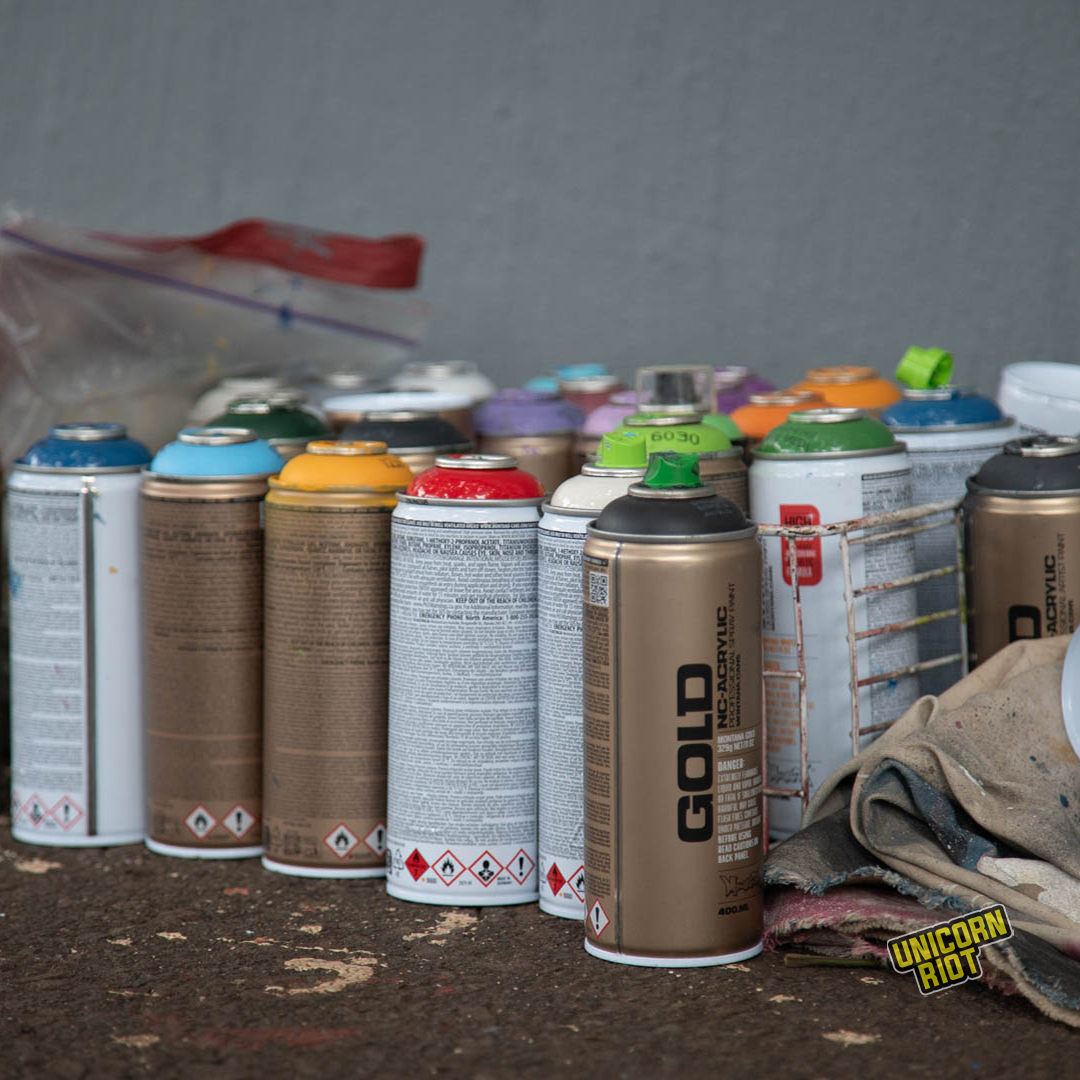
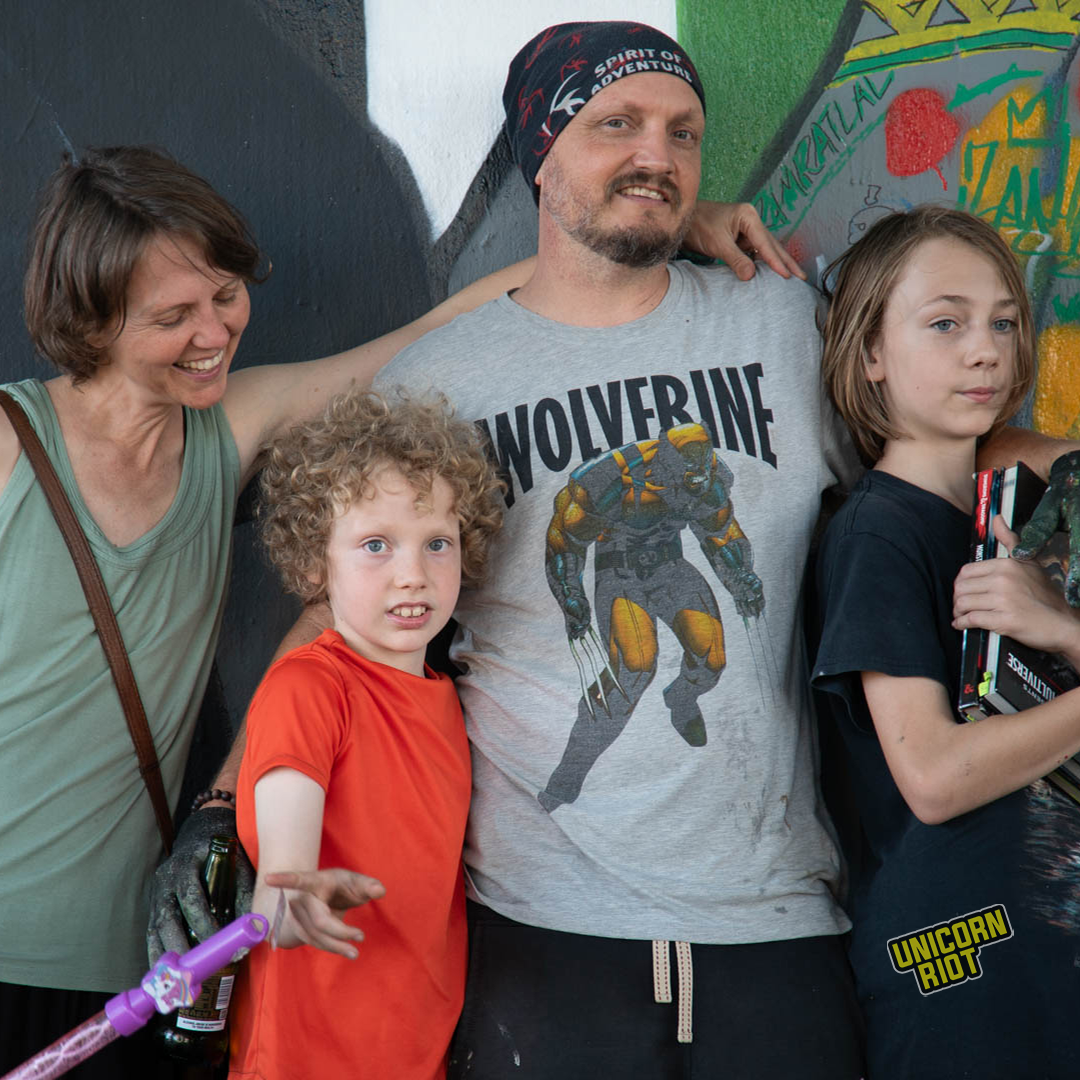
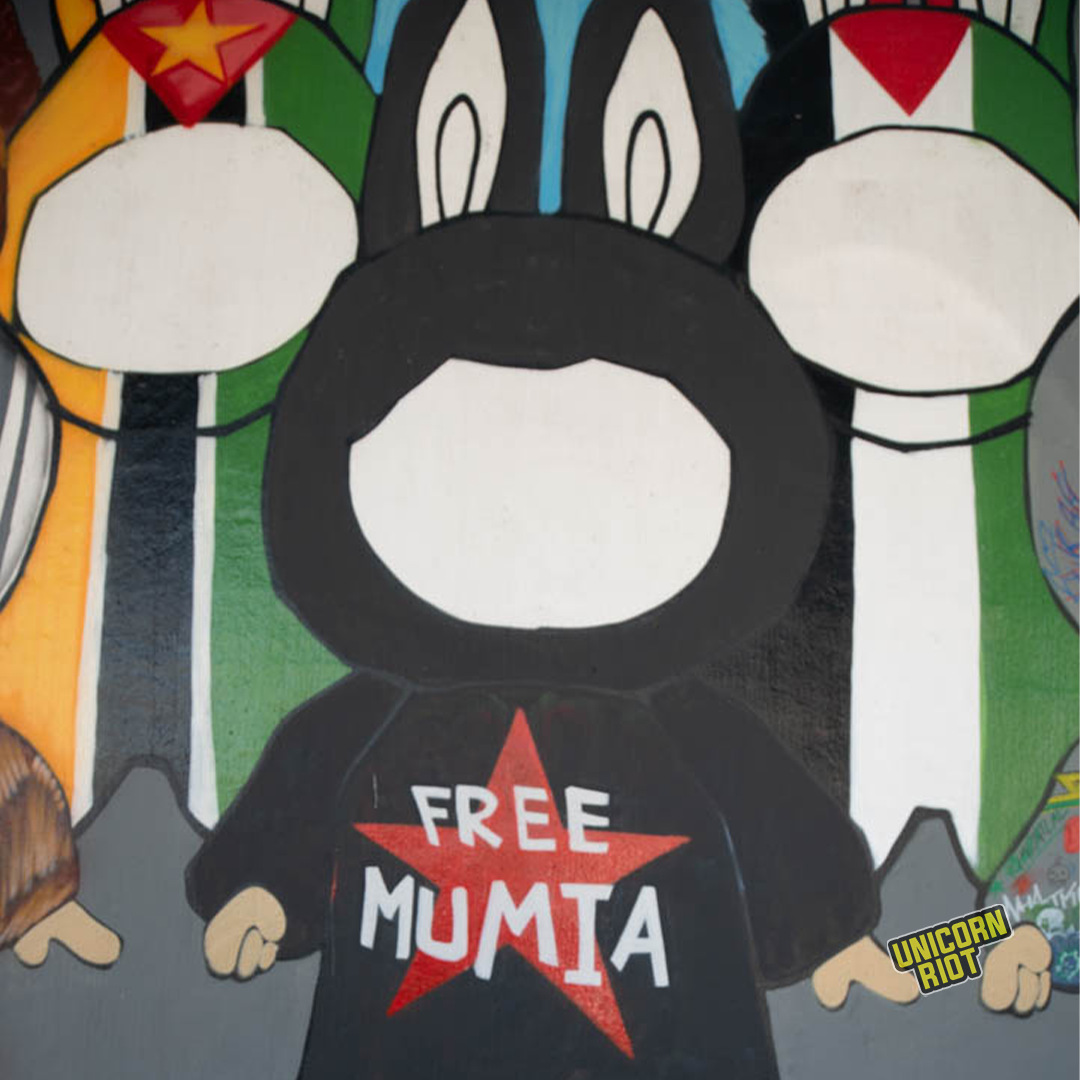
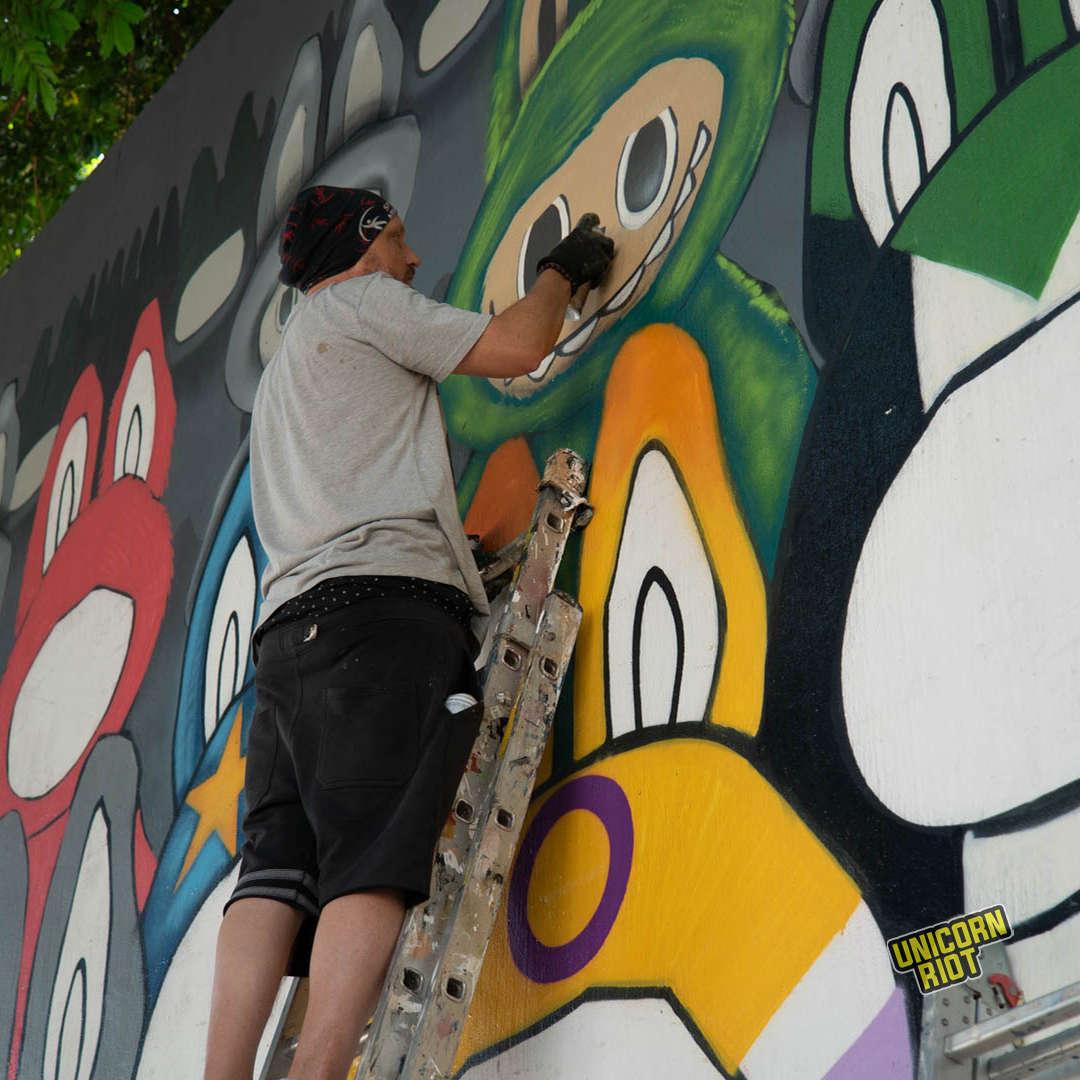
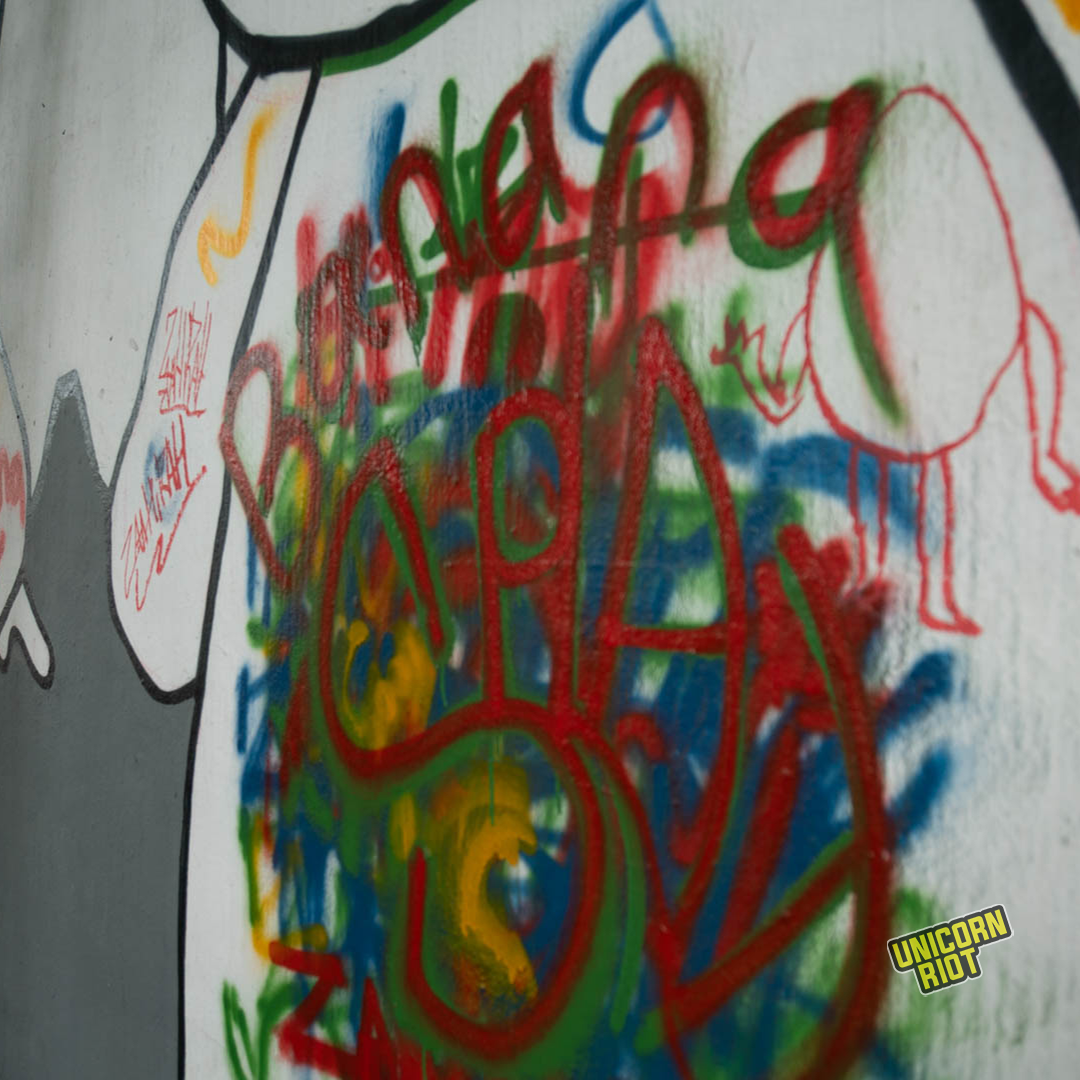
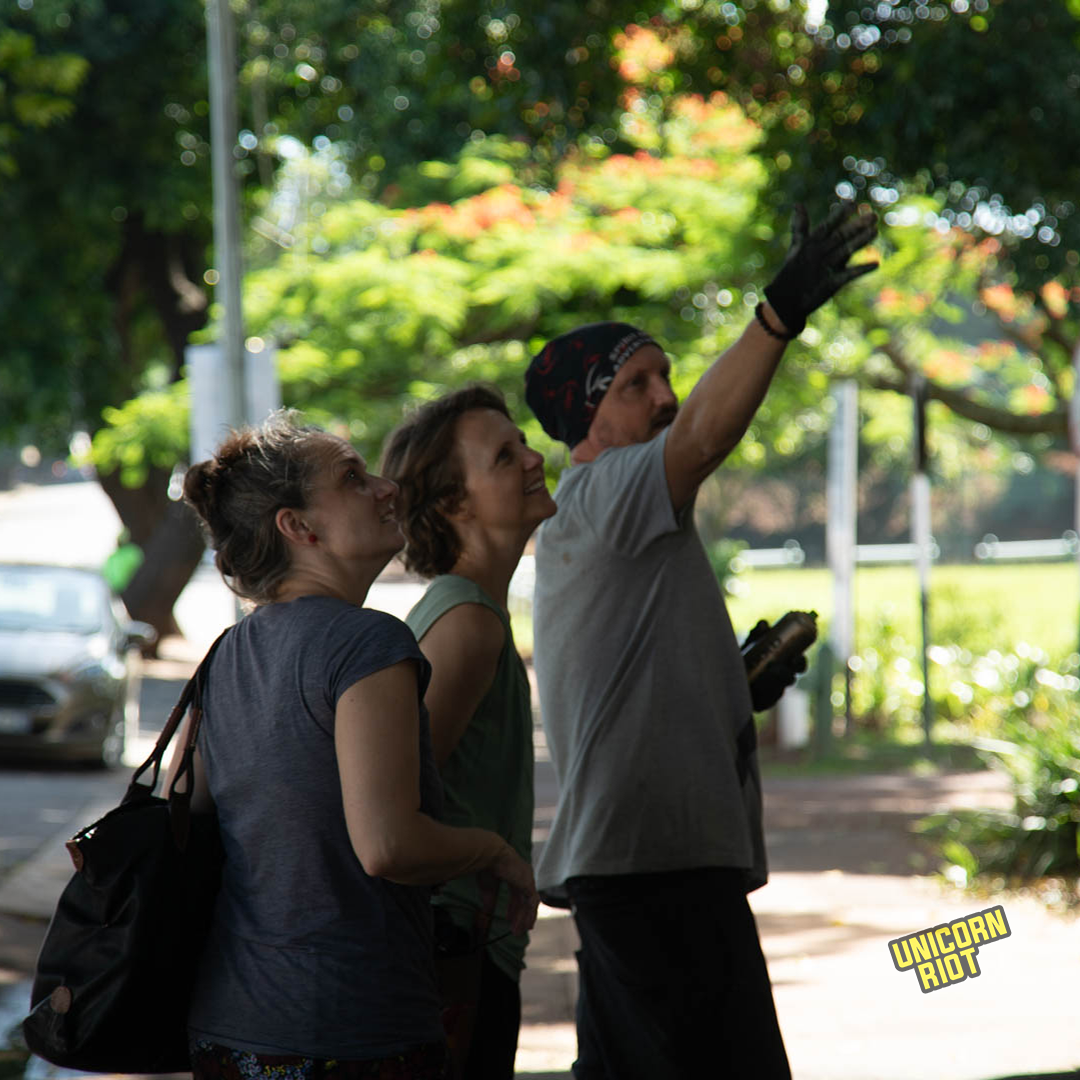
Ewok hails from an arts-oriented family that nurtured his artistic abilities at a very early age. But it was when he reached the age of 15 that he discovered hip-hop, which led him to develop a passion for graffiti art.
“When it came to graffiti arts and street art culture. I was really into the characters and the comic book aspects. And that’s what kind of pushed me to start working on my own character designs and working on my own style writing. And then that’s what connected me with a bunch of older heads who kind of introduced me to hip-hop culture here in South Africa.”
Ewok
When asked if he had any advice to young artists in Durban, the grizzled veteran stated:
“In Durban, you have room to move. There are actually very few limitations in Durban when it comes to you and your creativity […] There’s so much creative potential in this city, and it’s there for you to take, but you have to take it. No one is coming to pull you into it. You have to push yourself forward, but it’s there.”
Ewok
Follow us on X (aka Twitter), Facebook, YouTube, Vimeo, Instagram, Mastodon, Threads, BlueSky and Patreon.
Please consider a tax-deductible donation to help sustain our horizontally-organized, non-profit media organization: