Prosfygika Claims Victory: Hunger Strike Suspended Amid Ongoing Struggle Over Development
Athens, Greece – A victory has been declared in Athens after two activists suspended their hunger strike following a resolution to halt the plans to evict portions of the long-standing squatted community of Prosfygika. The activists put their lives on the line to defend a collective way of life and protect 400-plus vulnerable residents from displacement.
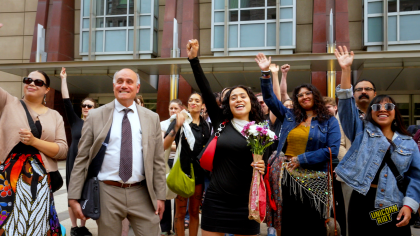
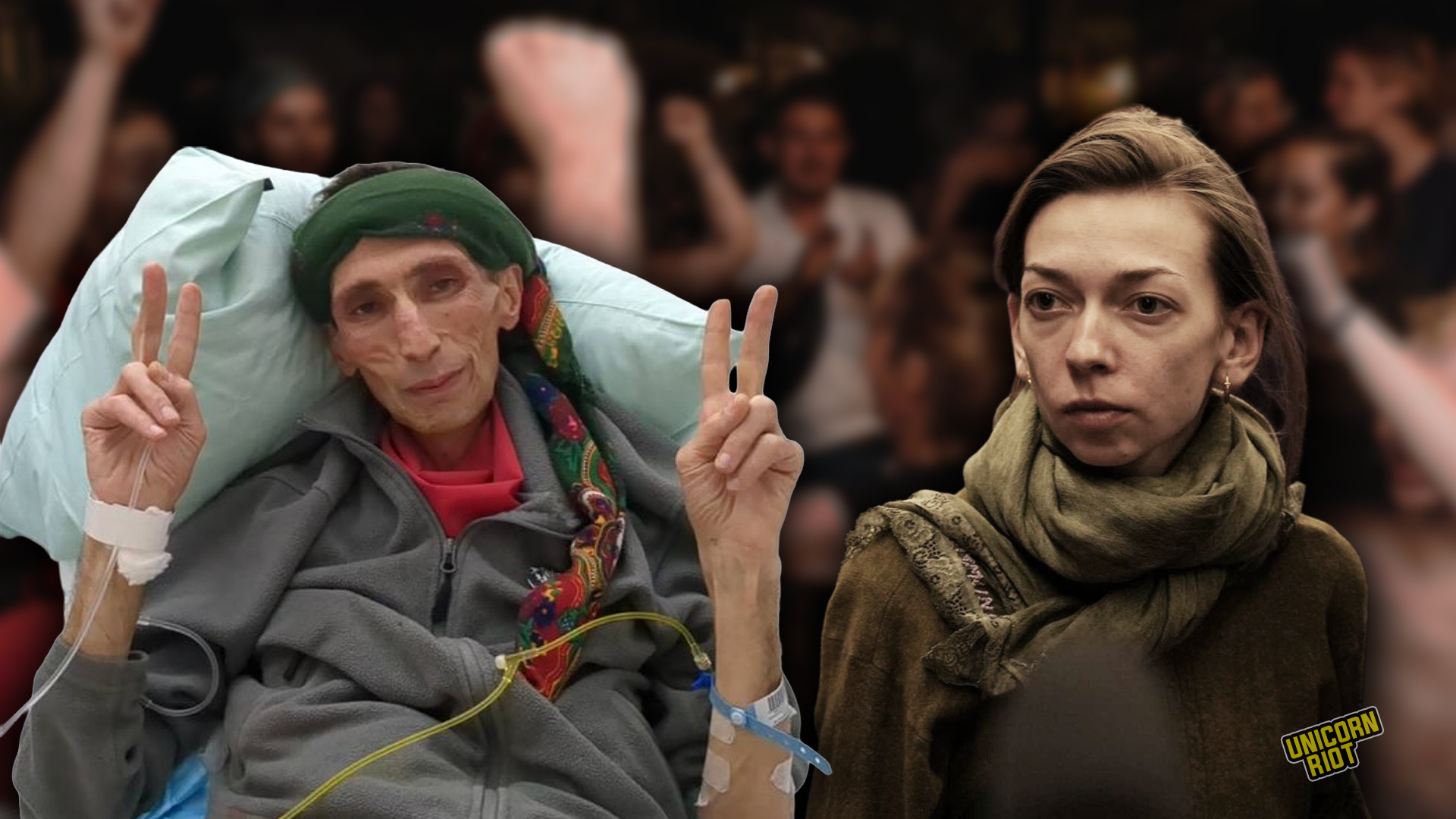
Aristotelis (Aristos) Chantzis, a prominent activist who had been on hunger strike since February 5, and Suzon Doppagne, who joined him on May 1, both suspended their actions on June 24 — two days after Chantzis was admitted to hospital in critical condition. The decision followed a vote by the Municipality of Athens in favor of a resolution calling for the freezing of the Region of Attica’s programmatic contract for the regeneration of Prosfygika. Celebrations erupted immediately within the community.
As a core member and long-time resident of Prosfygika, Chantzis had endured a devastating physical toll after 140 days on hunger strike: his once-strong frame grown gaunt and visibly wasted. On June 22, with his condition deteriorating sharply, he was rushed to the Georgios Gennimatas General Hospital in Athens, where doctors diagnosed acute neurological damage and severe chemical imbalances.
Tragically, shortly after the initial celebrations over the temporary halt of the eviction plans, Chantzis’s health worsened further. Early Thursday morning, reports emerged that he might require intubation.
Athens, Greece: Outside Gennimatas Hospital, on the 138th day of Aristotelis’s hunger strike, people kept vigil.
— Vedat Yeler (@vedatyeler_) June 22, 2026
The crowd gathered here was more than a political protest; it was community in its fullest sense. Babies born in Prosfygika stood alongside migrants and refugees from… https://t.co/jVqpnEzAV5 pic.twitter.com/BpTDZAc9jm
Despite these serious health challenges, Aristos’s unbroken spirit remained evident. In a public message delivered shortly before his hospitalization, the frail but resolute activist reaffirmed the community’s determination to continue the struggle. His weakened voice carried absolute conviction as he declared that the hunger strike had truly begun at that moment — with all previous efforts serving merely as preparation — as the fight entered its most critical and decisive stage. It was the very definition of a race against time.
Residents and activists at the self-managed Prosfygika are driven by two conflicting forces: disappointment and determination. Their disappointment stems from years of institutional stonewalling, endless delays, and indifference from mainstream media. Their determination arises from the desire to defend a social model that protects people from capitalism’s relentless push toward loneliness, homelessness, and the commodification of space.
“Who will die first, and who will be responsible for it?” asked Doppagne.
Sitting on a dark leather couch in one of the communal spaces of the first building, Doppagne spoke eloquently and composedly, powerfully articulating the life-or-death stakes the community had confronted.
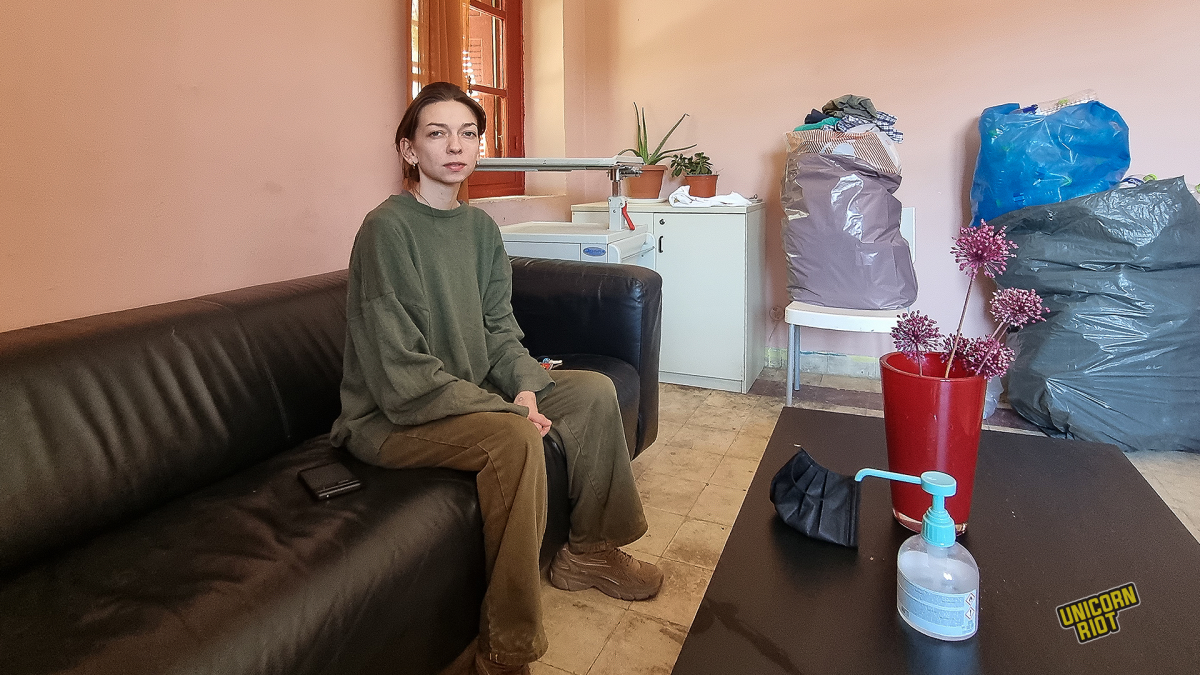
“Prosfygika is not an empty project. What we have built over the last 16 years is a genuine social proposal, a living structure that answers real social needs. We are talking about people: 400 people living with dignity through solidarity and values that are constantly under attack in this capitalist system… Eviction would mean human costs; it would mean death for many vulnerable residents. That is why we were on hunger strike.”
Suzon Doppagne
Her words echo those of Aristos himself, spoken with fierce determination a few weeks earlier at a packed amphitheater in central Athens: “Our survival is based on interdependence. Every day we are taught that the communal way of life is what shapes us and changes us… Our societies can achieve anything when they resist. Either we will win, or we will win!”
As Chantzis finished speaking that day, the audience erupted in loud applause and began chanting: “Τα Προσφυγικά κανείς δεν θα τα πάρει” (“No one will take the Prosfygika away from us”).
In that moment of raw defiance, one couldn’t help but wonder: what makes the squatted Prosfygika so precious that people are willing to risk their own lives to defend it?
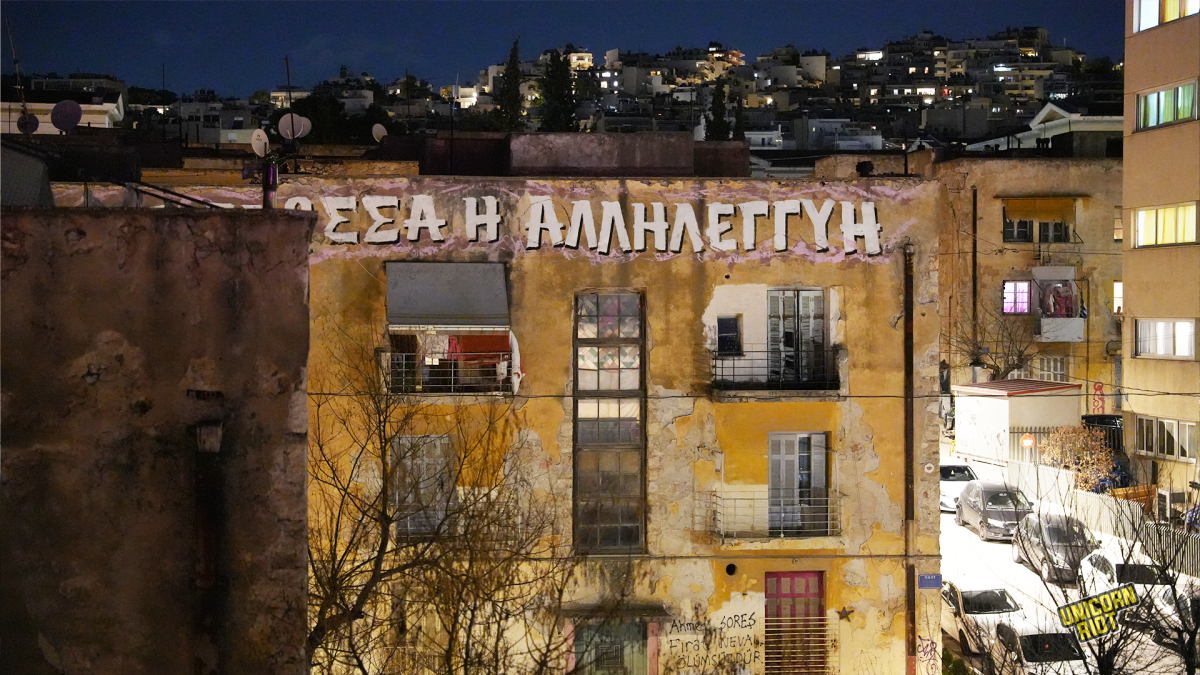
At first glance, there may seem nothing particularly remarkable about the Prosfygika housing complex in central Athens. The austere, monotonous concrete blocks, covered in layers of graffiti, political slogans, and banners, stand in stark contrast to the more polished buildings along this busy urban avenue.
But behind the heavily weathered facades — marked by decades of wear and the unmistakable scars of bullet holes from the Dekemvriana (the violent clashes that occurred in Athens in December 1944) — lies a space of unwavering determination, of life, community, and hope.
Constructed in the 1930s to house Greek refugees from Asia Minor, the Prosfygika complex consists of eight modernist buildings in the Bauhaus style, containing a total of 228 flats. Over the decades, its walls have provided shelter to successive waves of vulnerable and marginalized people during periods of intense social and political conflict.
Our Common Language Is Resistance: Life Inside Prosfygika
In the late 1990s and early 2000s, many owners were pressured to sell or leave amid demolition and redevelopment plans. The area’s abandonment was filled by criminal gangs. Starting around 2010, autonomous squatters and residents from diverse backgrounds — including anarchists, communists, refugees, and locals — formed the Community of Squatted Prosfygika (SY.KA.PRO). Through direct action, they transformed the stigmatized area from a “no-go” zone into a flourishing self-managed community.
Today, SY.KA.PRO is the largest self-organized social initiative in Greece. It maintains around 22 autonomous structures serving both residents and the wider neighborhood, including a collective bakery, day-care center, pharmacy, education, accommodation for patients and their companions at the nearby cancer hospital, and other mutual aid projects.
Prosfygika did not emerge in isolation. It is deeply rooted in Athens’ long and fiercely political history of squatting, a tradition that stretches back to the 1980s and pulses strongest in the rebellious streets of Exarcheia.
Iconic spaces such as Lelas Karagianni 37 (since 1988), Villa Amalias (1990), Notara 26 (since 2015) and City Plaza (2016) have served as vibrant political hubs and sanctuaries for the displaced. These squats became especially vital during the Greek financial crisis in 2009 and the 2015 refugee wave, offering living alternatives to poverty, evictions, and the misery of official camps.
Greece’s First Housing Squat for Refugees & Migrants, Notara 26
Far from the “centers of criminality” portrayed by the New Democracy government, these autonomous spaces have acted as essential infrastructure: restoring derelict buildings, sustaining social cohesion and providing immediate, humane solidarity where the state has repeatedly failed. In them, the principles of collective care and horizontal organization are a lived reality every single day.
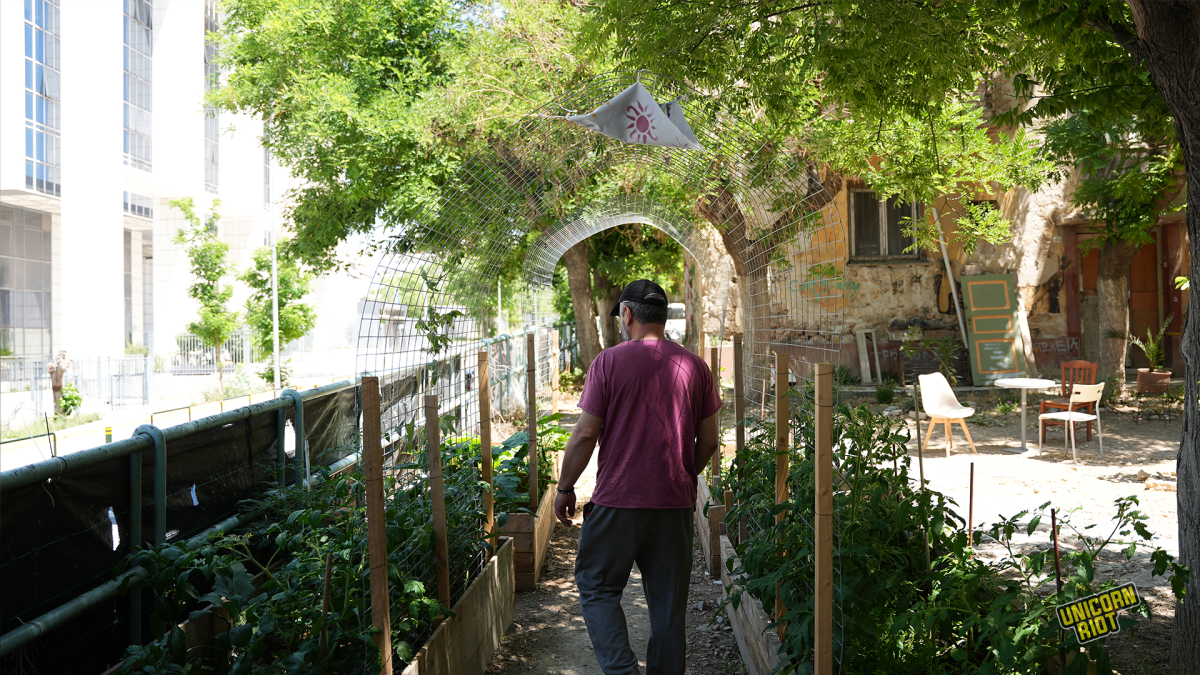
Prosfygika stands as the clearest and most enduring expression of Greece’s four-decade squatting tradition. More than just another threatened squat, it is a flagship of autonomous, self-organized life, a powerful symbol of resilience, the right to the city, and the struggle against the systematic dismantling of community-controlled spaces in the name of real estate profit and tourism-driven development.
Gentrification in Greece: A Three-Part Series
This living example of collective resistance now faces its most serious direct threat. In June 2025, the Region of Attica approved a programmatic contract for the “regeneration” of parts of the Prosfygika complex, involving the Municipality of Athens and the Ministry of Culture due to the buildings’ status as protected historical monuments.
The community argues that the project was prepared and signed without meaningful consultation with current residents, warning it will inevitably lead to gentrification and forced eviction.
In response, the Region of Attica launched a digital platform aimed at recording the personal details and specific needs of the Prosfygika residents along Alexandras Avenue. Those affected can submit their requests and proposals between June 22, 2026 and July 19, 2026.
While the authorities present the move as an effort to build a comprehensive picture of the neighborhood ahead of the restoration plan, many residents view it with deep skepticism, seeing it as another bureaucratic step that sidesteps genuine dialogue while the threat of displacement continues to loom.
Increasingly frustrated by this superficial approach, the community has chosen to step up its mobilization.
“The group, as a whole, empowers its members so that they can fight for their survival when the threat of their annihilation arises,” remarks Katerina Matsa, a renowned psychiatrist and former director of the Drug Dependence Treatment Unit, 18 ANO.
“Through the collective action of the group, this psychology of resistance is born and developed. It strengthens, steels and hardens the determination to confront a reality that seeks to destroy you — not merely to defend yourself, but to overthrow it. And it is precisely this psychology of resistance that characterises the stance of all the members of the Prosfygika community, with the attitude of Aristos standing as its highest and most emblematic expression.”
Katerina Matsa
Chantzis’ “hunger strike to the death” triggered widespread mobilizations in solidarity with Prosfygika as well as inspired Doppagne, who has lived in Prosfygika for around five years, to stand beside him in their “collective act of resistance.”
Hands Off Prosfygika: Eviction Threat Sparks Hunger Strike and Mass Mobilization
Though the strike has now been suspended, the authorities’ initial silence in the face of this sacrifice spoke volumes about the state’s disregard for the stakes of this struggle.
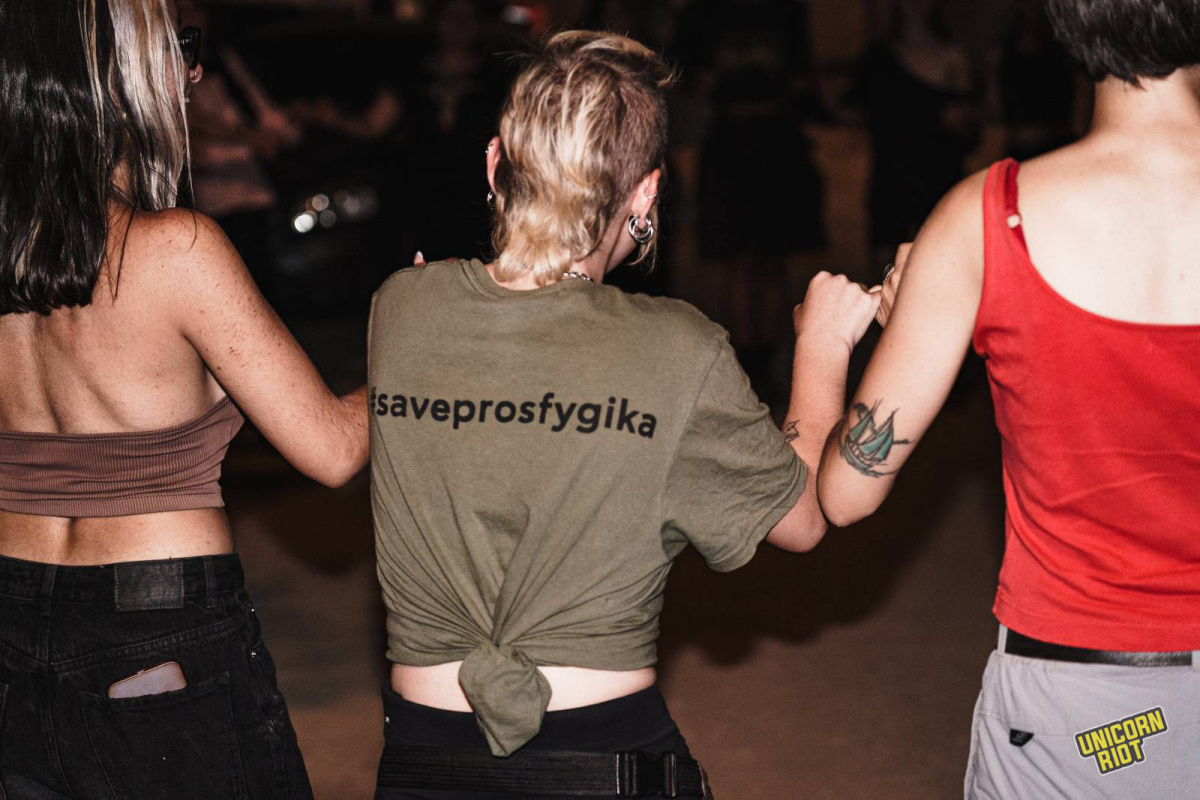
Despite this hostility, Prosfygika’s residents and dozens of volunteers remain an enduring symbol of defiance and determination. The community’s strength is found in its daily acts of care: in Margarita, the sociologist who teaches Greek to adults; in Lambros, the teacher at the children’s center who builds the flowerbeds and organizes film screenings; in Lotta, turning simple dough into warm, savoury pastries at the communal bakery; and in Reni, the nurse who tirelessly anchors the kiosk.
They are more than just individuals; they are the beating heart and soul of a resistance that refuses to be silenced. And it is this profound sense of solidarity that fuels their vision for what comes next, a future Doppagne envisions when reflecting on what victory could bring:
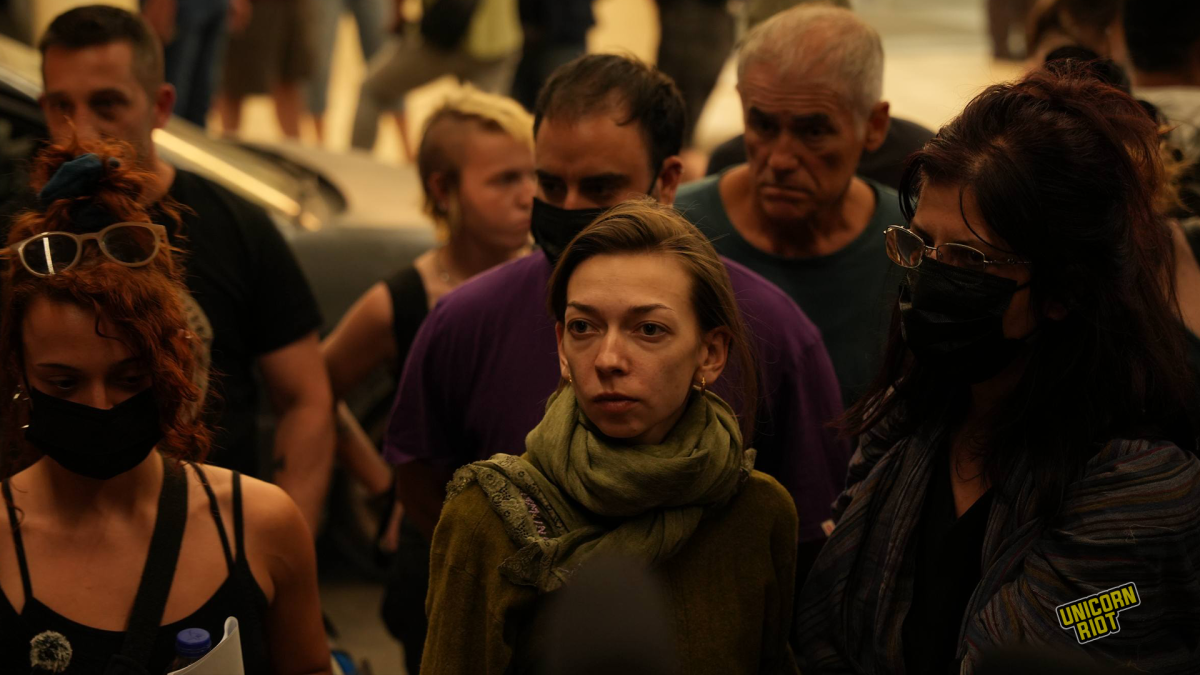
“If we succeed, it will first mean the continuation and empowerment of everything we have built. This victory will spread as an example, connecting with new collectives and new people to develop a broader network. It will not be ours alone; it will be a victory for society as a whole. It will prove that solidarity and self-organisation can prevail, that people can build dignified lives and strong structures despite all the difficulties. Every victory spreads hope far and wide.”
View all Unicorn Riot coverage from Greece by clicking on image below:

Cover image edited by Niko Georgiades for Unicorn Riot using photos contributed by Romanos Lioutas and Vedat Yeler and a screenshot from Prosfygika’s IG page.
Follow us on X (aka Twitter), Facebook, YouTube, Vimeo, Instagram, Mastodon, Threads, BlueSky and Patreon.
Please consider a tax-deductible donation to help sustain our horizontally-organized, non-profit media organization: