Locked Up and Criminalized: People on the Move Face a Broken System on Crete’s Shores
Crete, Greece — People on the move arriving on Crete are held in makeshift facilities where they have no rights, as authorities freeze asylum registration while implementing the EU’s contested new Migration and Asylum Pact.
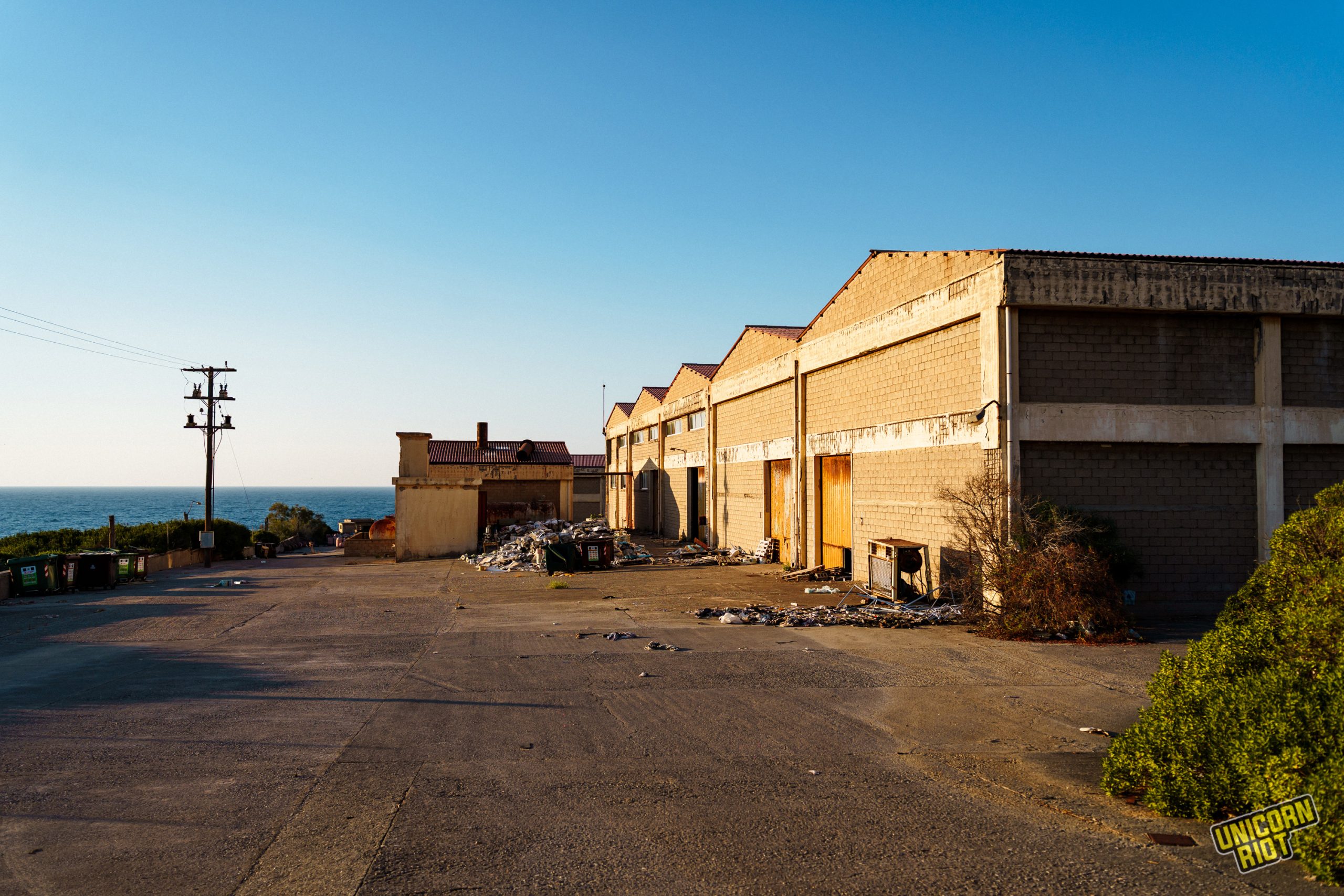
The abandoned Kitrenosis industrial complex sits along the highway connecting the cities of Rethymno and Heraklion, on Crete’s northern coast. The warehouses, disused for years, look out over a cliff that drops straight into the sea. Scattered across the outdoor lot are piles of objects hinting at a transient human presence: faded clothing, broken chargers, crumpled cigarette packs.
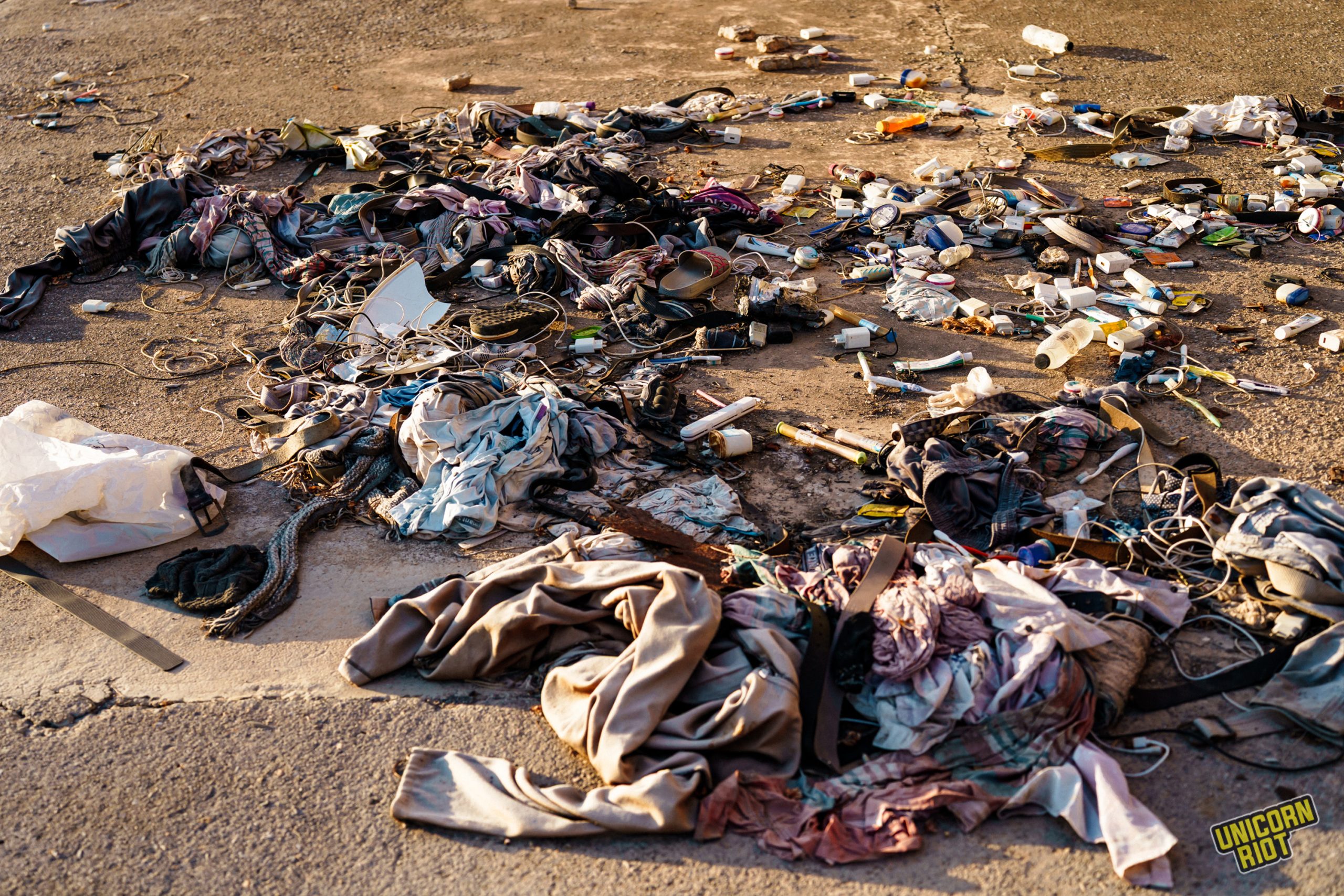
Crete has no dedicated reception system, and Kitrenosis is one of the stopgap solutions authorities have turned to after transferring people from the island’s southern shores, where boats arrive, to temporary holding sites in the north.
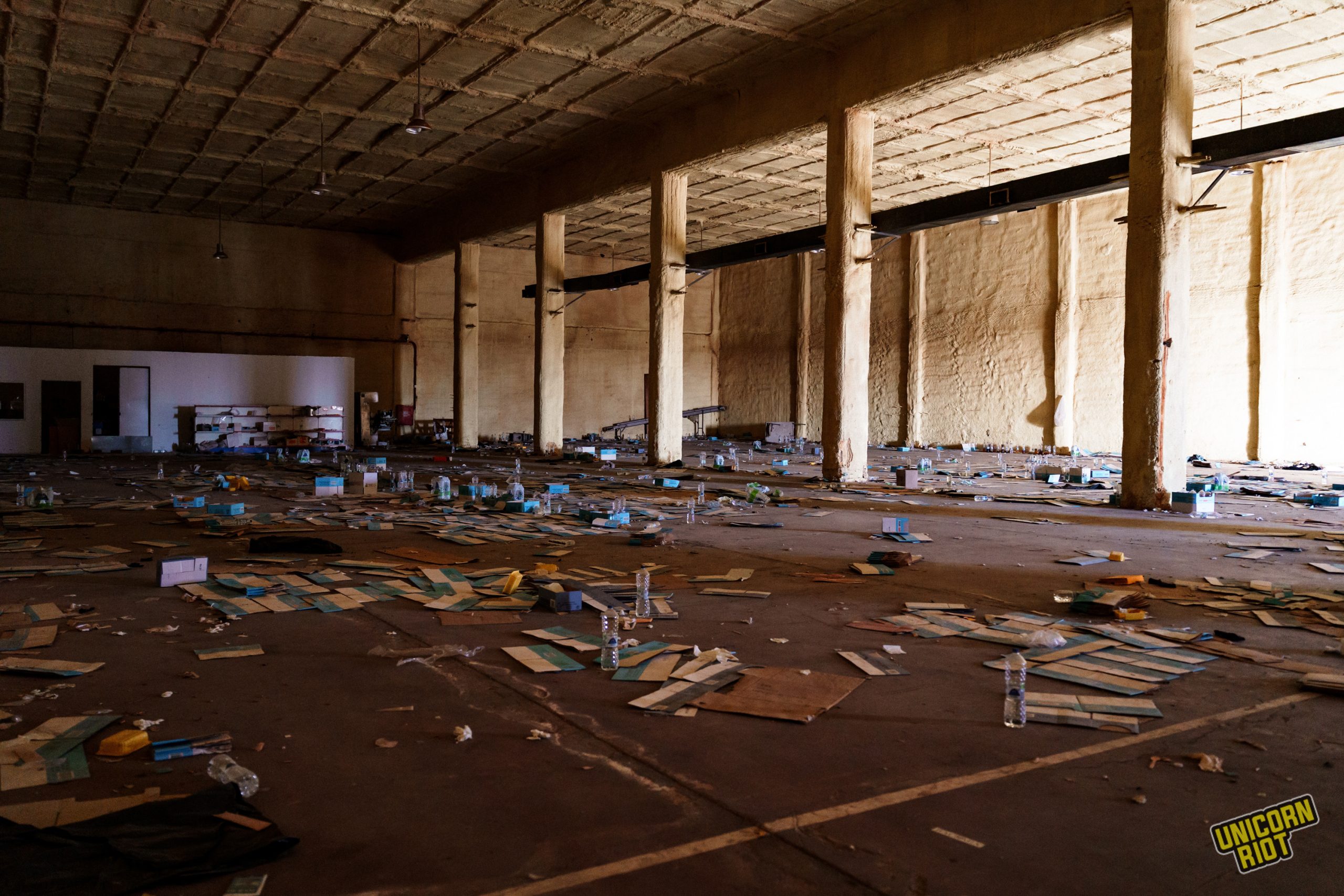
According to local media reports, the site was last used in December 2025, when it held more than 500 people. It has sat empty since, but inside one of the warehouses, traces of makeshift shelter remain. The space has no windows — a beam of sunlight creeping in through the gap in a broken gate is the only light inside the facility. The floor is littered with the remains of packaged food, half-empty water bottles, gym mats and flattened cardboard boxes.
In November 2025, the Italian organization Operazione Colomba published a report confirming the deplorable conditions at Kitrenosis and the island’s two other temporary facilities: the former exhibition center Agia, located about twenty minutes from downtown Chania, and the old refrigerated storage unit inside the port of Heraklion. The report found that all three sites lacked basic infrastructure and essentials, such as beds, showers, toilets, and clean clothing, and suffered from frequent overcrowding and a lack of privacy.
As of July 2026, all three facilities sit empty, a lull attributed to bad weather slowing arrivals. However, the latest data published by the independent organization Refugee Support Aegean puts the number of people who reached Crete in the first half of the year at roughly 8,500 — a figure confirming that the route from Libya to the island is now well-established, regardless of seasonal fluctuations.
Manufacturing an Emergency
“Crete has been a landing point for a long time. This isn’t new in the past year. What has changed is the political narrative,” Maria, an activist with the Chania-based migrant solidarity collective Steki Metanaston, told Unicorn Riot. As early as 2023, Refugee Support Aegean was already noting a rise in arrivals to Crete, flagging the complete absence of adequate reception infrastructure and procedures. By 2024, the same organization reported a further jump in landings, with more than 5,000 people reaching the island.
It was 2025, however, that saw the sharpest spike in absolute numbers. According to data released by Refugee Support Aegean, more than 20,000 people landed on Crete’s shores that year. This is a significant figure that made the island Greece’s main point of entry, but it needs context. The latest report published by the Asylum Information Database (AIDA), the Greek Council for Refugees and the European Council on Refugees and Exiles (ECRE) confirms that the route has become well-established, while also pointing to an overall drop in arrivals nationwide — down 21% from 2024 to 2025.
That figure has been almost entirely absent from political and media discourse. Instead, the raw number of arrivals hitting Crete’s coastline has been wielded as a propaganda tool by the conservative New Democracy government, first elected in 2019 and now serving its second term.
“The numbers are clear: arrivals are trending downward. What’s changing are the routes,” said Michalis Markodimitrakis, a researcher at the Hellenic Mediterranean University and a member of Thalassa of Solidarity, a Heraklion-based collective. “Greek authorities know this, as this redistribution has been happening for more than two years. But they’ve deliberately chosen to do nothing. Because if you do nothing, you can present the situation as a crisis, and in times of crisis, extreme measures are justified and meet little opposition.”
In July 2025, the Greek Parliament approved a measure suspending asylum claims for three months for people arriving from North African coasts. The decision, criticized by numerous independent organizations, was framed as a direct response to the rise in landings on Crete, which Prime Minister Kyriakos Mitsotakis labeled as “an emergency.”
The measure and the alarmist tone used to justify it occurred at a pivotal political moment. In 2024, the EU Council formally adopted the controversial European Pact on Migration and Asylum. By summer 2025, member states were preparing to implement the legislative package by the June 2026 deadline.
As Human Rights Watch noted, the Pact introduces mechanisms that tighten the management of migration flows and restrict access to asylum, including fast-track border procedures with fewer safeguards and legal support for reviewing claims, expanded detention, and reliance on cooperation with countries outside the Union to contain arrivals and manage deportations.
In this context, Crete appears to have anticipated, as early as 2025, the restrictive and criminalizing practices the Pact would soon institutionalize.
A System Based on Criminalization
“Once people arrived at Agia, their cell phones were confiscated,” said Maria, who worked alongside other activists inside the facility for an extended period as a first point of contact for legal assistance and interpretation. “Then came the so-called ‘preliminary investigation’ by police, which in most cases happened without interpreters, relying on rough, improvised communication and no guaranteed procedural framework. That’s the context in which people got flagged — often completely arbitrarily — as accused smugglers, and immediately separated from the rest of the group.”
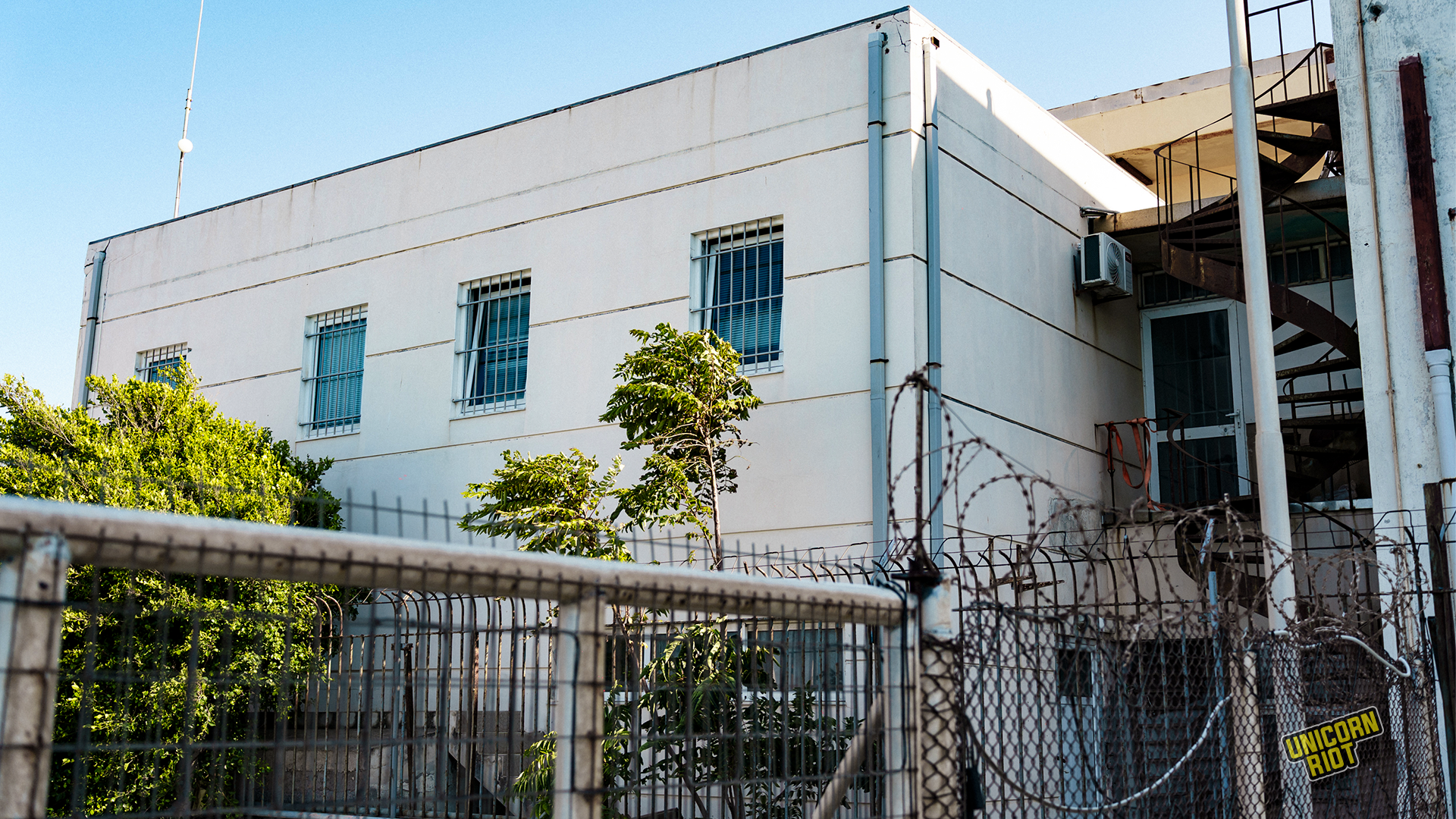
The same pattern has been observed at the old refrigerated storage unit in the port of Heraklion. “People here don’t have the right to apply for asylum, because authorities are blocking them from doing so,” said Eleftheria Iatraki, of the Thalassa of Solidarity collective. “They’re just sorted and categorized based on arbitrary smuggling accusations. No rights are guaranteed to them whatsoever. They can’t even leave the facility — they’re effectively detained.”
According to information gathered by the collectives, people who aren’t charged are then transferred to reception centers scattered across Greece, based on available capacity. But according to Chania Deputy Mayor Eleni Zervoudaki, the criteria used have long followed the arbitrary, restrictive approach set out in the Pact, which calls for differentiated procedures depending on whether someone comes from a country deemed low-risk. Rather than assessing each person’s individual circumstances, this mechanism sorts people by nationality alone, treating entire countries as presumptively “safe” or “unsafe” regardless of what any single applicant may have fled.
On Crete, the Coast Guard reportedly limits itself to identifying people, while deferring the registration of asylum claims. Those from countries at war, like Sudan, are transferred to mainland facilities to complete registration; those from countries like Bangladesh or Egypt are instead transferred to closed centers on the Aegean islands.
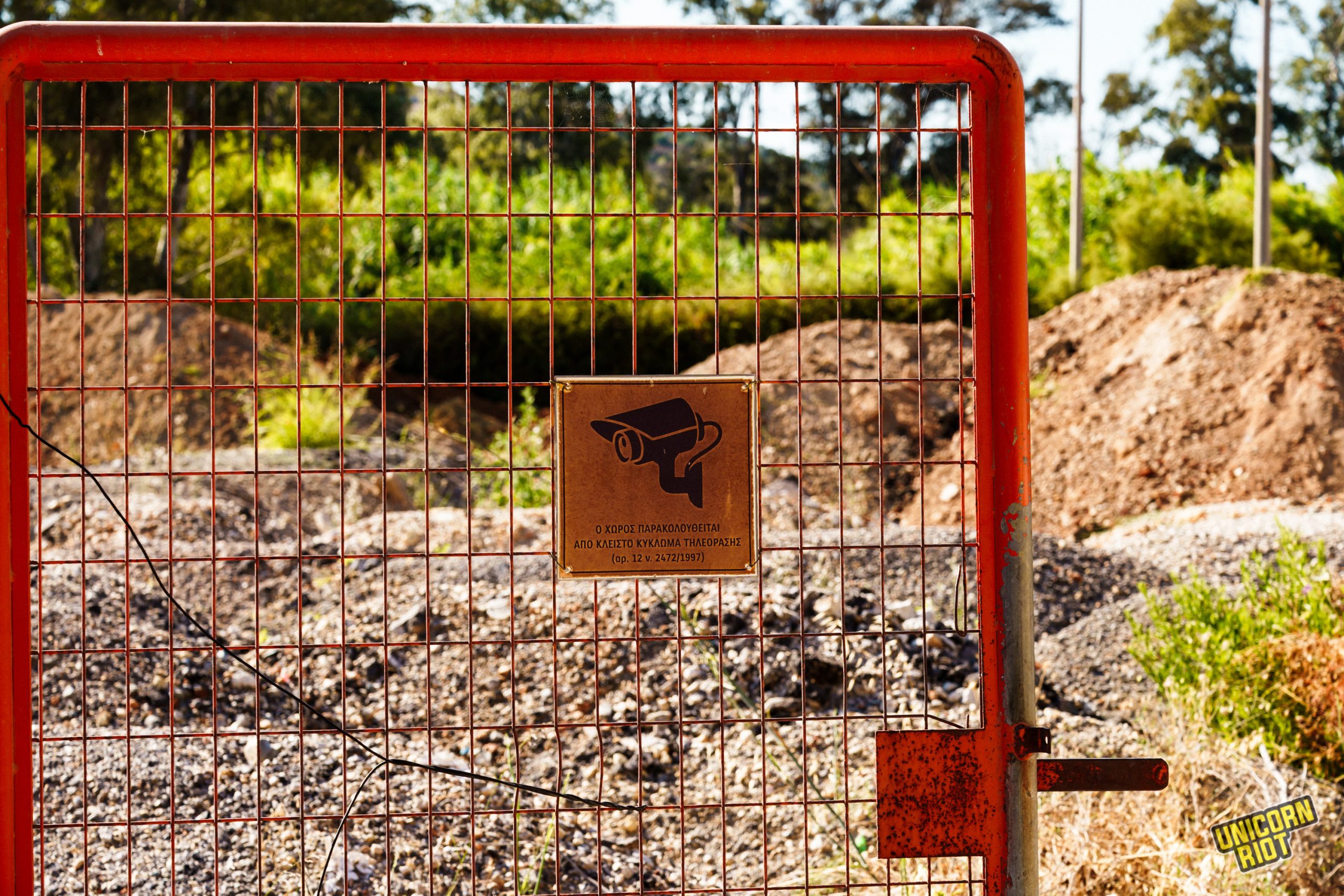
In the summer of 2025, immediately after the asylum suspension took effect, authorities permanently barred collectives, lawyers and other independent organizations from accessing the temporary facilities. “We think there’s a very clear connection to the new Pact,” said Maria. “The Greek government openly celebrated the new European framework, arguing that the EU was finally adopting the restrictive measures Greece had been demanding for years. It doesn’t surprise us at all that independent access to detention sites narrowed at the same time these policies were being rolled out.”
Related: Greek Parliament Approves Harsh Migration Bill: Prison Sentences, Fines and Ankle-Monitors
On June 9, 2026, the Greek Parliament approved a legislative package transposing the European Pact, placing heavy emphasis on border security through fast-track procedures and deportations. “Greece has pushed the Pact’s implementation toward the worst-case scenario,” said Lefteris Papagiannakis, director of the Greek Council for Refugees. “It’s created a suffocating reality for anyone seeking asylum — one that, in most cases, ends in detention.”
Papagiannakis explained that, since the Pact officially took effect across the EU on June 12, asylum registration has been frozen. Both Steki Metanaston and Thalassa of Solidarity confirmed that the Ministry of Migration and Asylum blocked access to the relevant registration platform due to a lack of clear guidelines and dedicated staff to implement the new rules.
“On Crete, the breakdown is obvious,” continued the director of the Greek Council for Refugees. “People are arrested upon arrival without being registered as asylum seekers. Then, they are transferred to another facility and detained again because the system is frozen.”
Meanwhile, the European Commission has given Greece a positive assessment for its progress in implementing the Pact, particularly noting the authorities’ operational readiness in managing landings on Crete. This evaluation appears to measure a system’s success based on how quickly it locks people up rather than on the quality of protection it offers them.
“It’s still early to make a full assessment of the Pact’s effects, but it’s easy to see it will produce more suffering and an ever-growing number of people trapped in limbo,” Michalis Markodimitrakis concluded.
Related: Inside Greece’s Refugee Camps, Gender-Based Violence Is Built Into the System
Cover image of the Heraklio port building contributed by Romanos Lioutas.
Check out all Unicorn Riot coverage from Greece by clicking on image below:
Follow us on X (aka Twitter), Facebook, YouTube, Vimeo, Instagram, Mastodon, Threads, BlueSky and Patreon.
Please consider a tax-deductible donation to help sustain our horizontally-organized, non-profit media organization: