Kurdish Refugees Protest for Dignified Living Conditions at Greece’s Oinofyta Camp
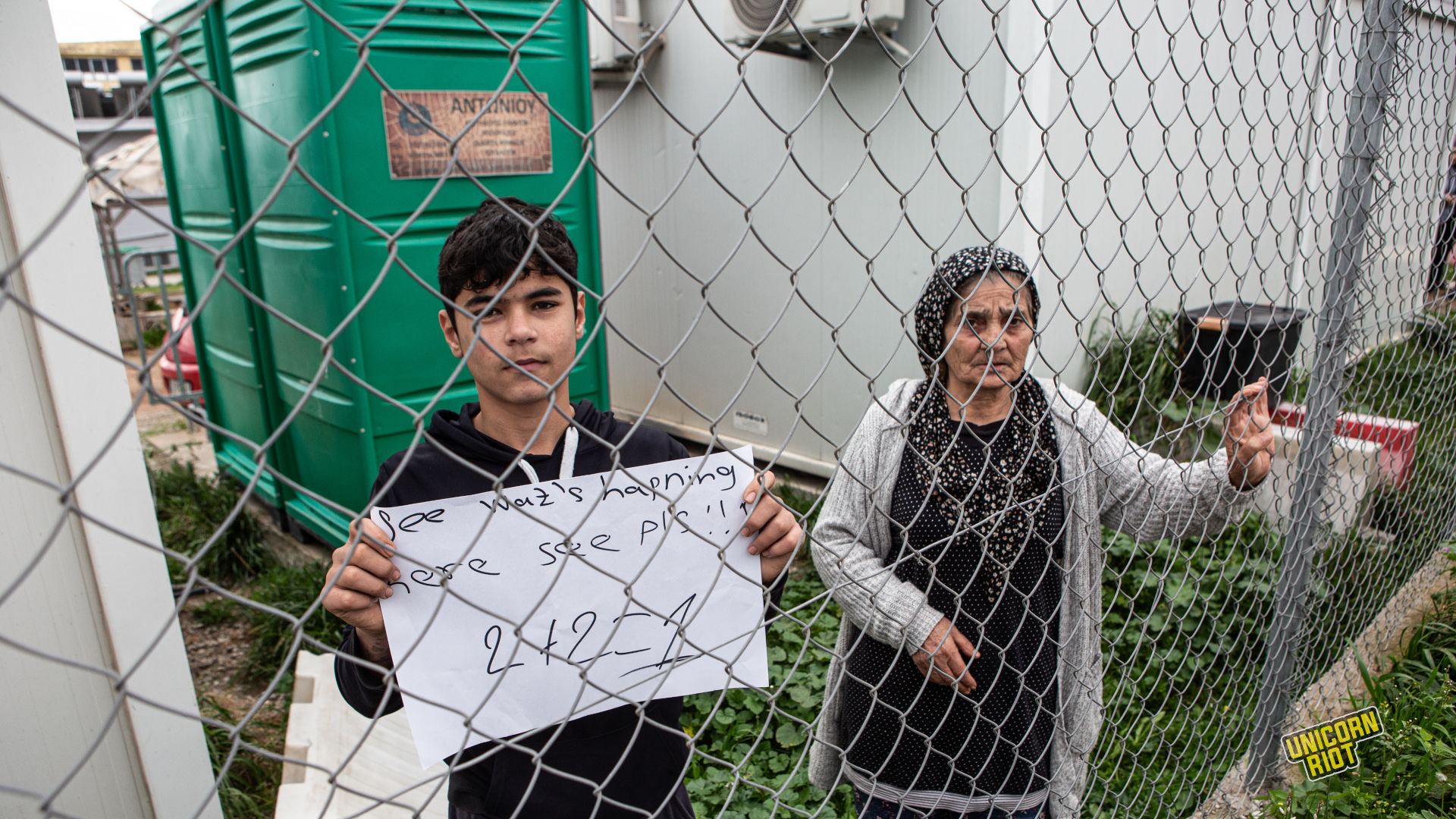
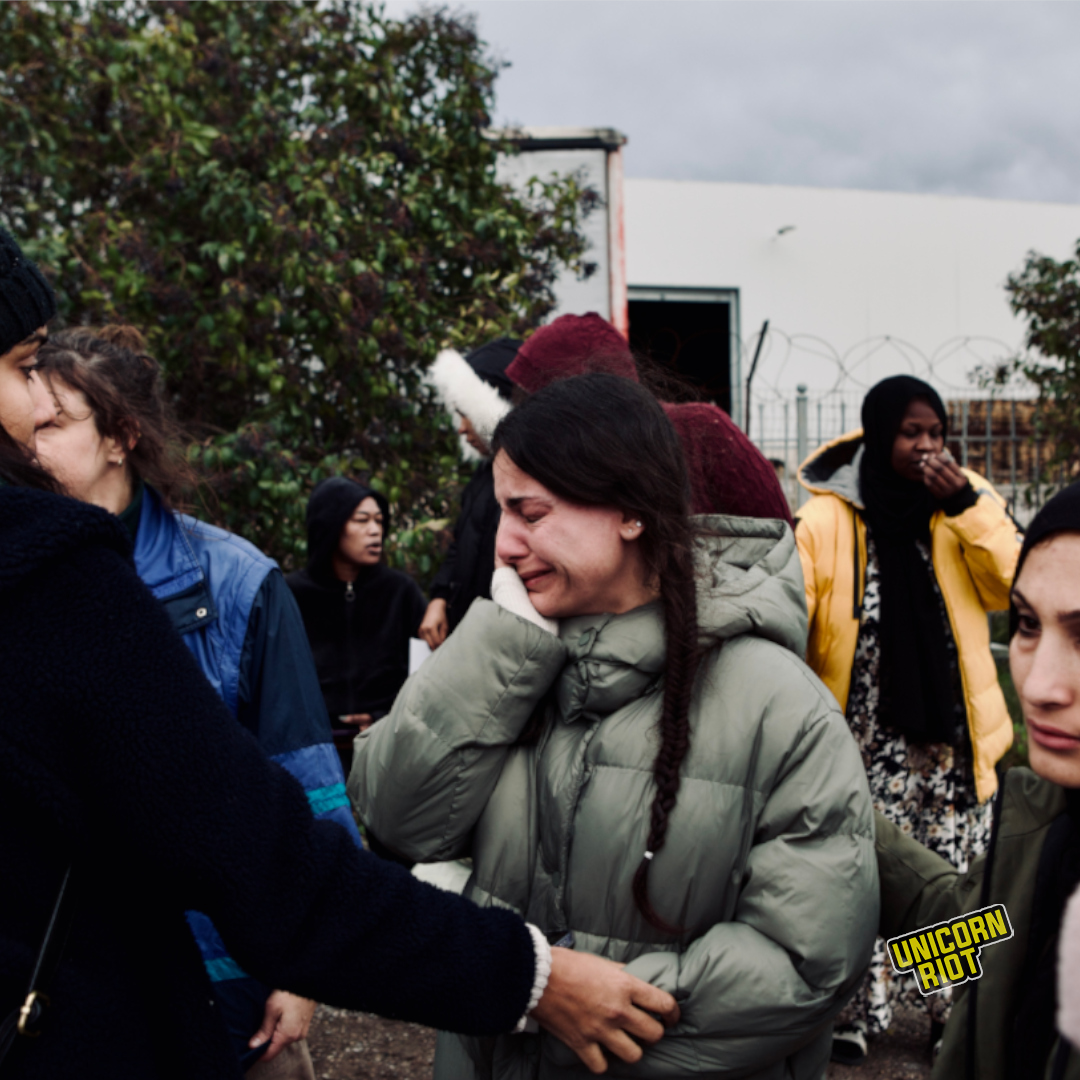
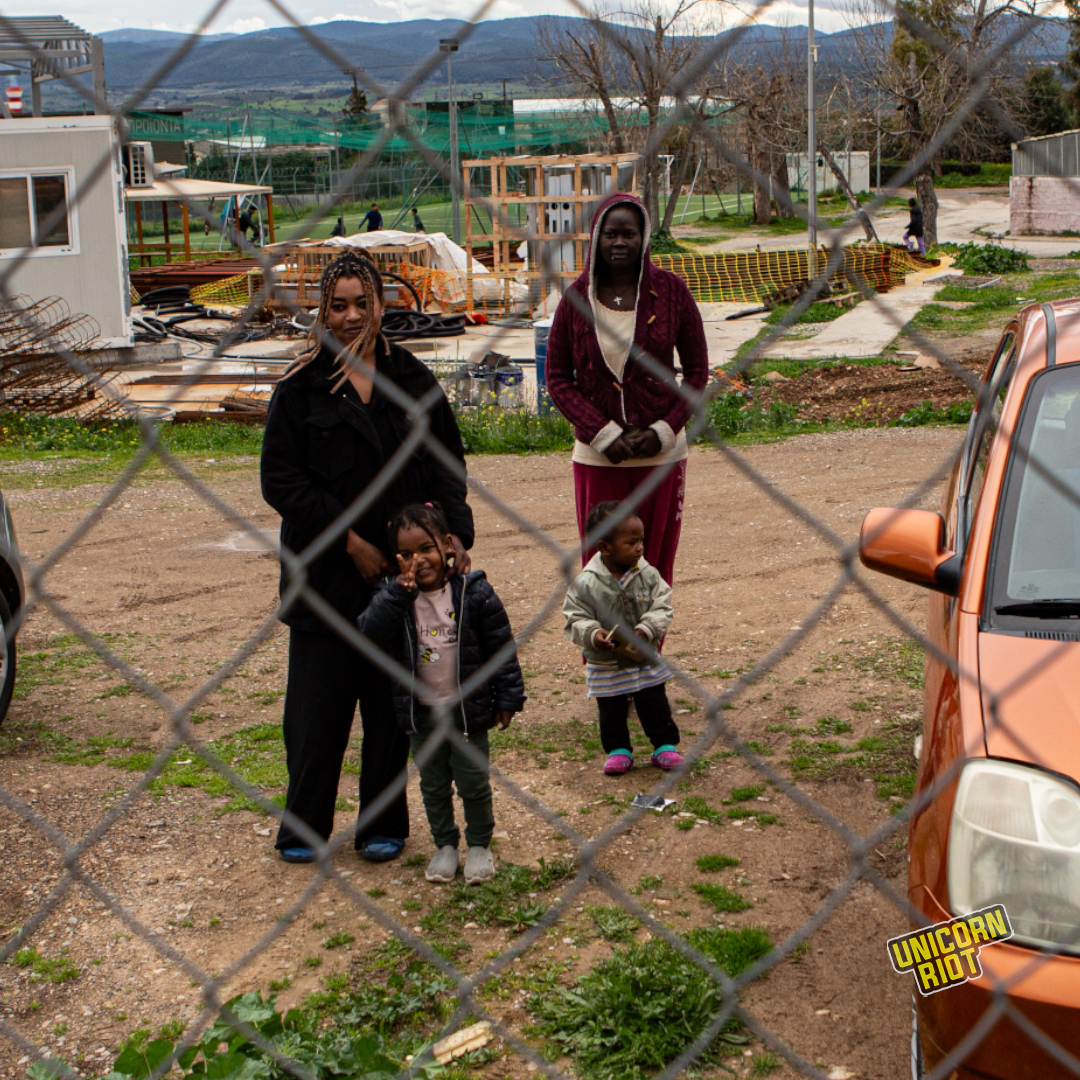
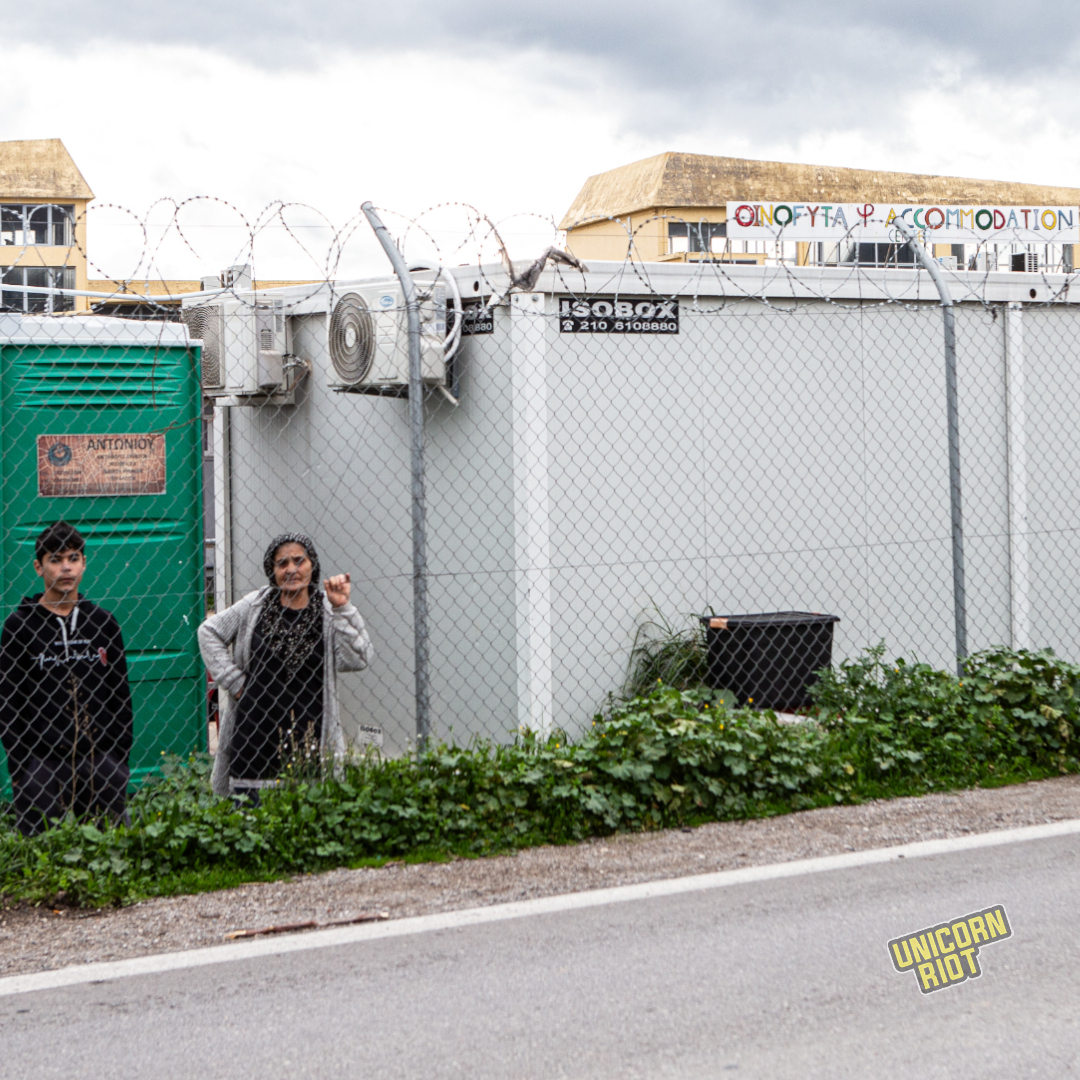
Oinofyta, Greece — On February 17, Kurdish refugees at the Oinofyta Temporary Reception Center in Greece – commonly known as the Oinofyta Refugee Camp – staged a spontaneous protest at the facility, located around 60 km from Athens on a former industrial site. The residents demanded better living conditions and the immediate issuance of their final asylum and identification documents, which would allow them to leave the camp and live independently.
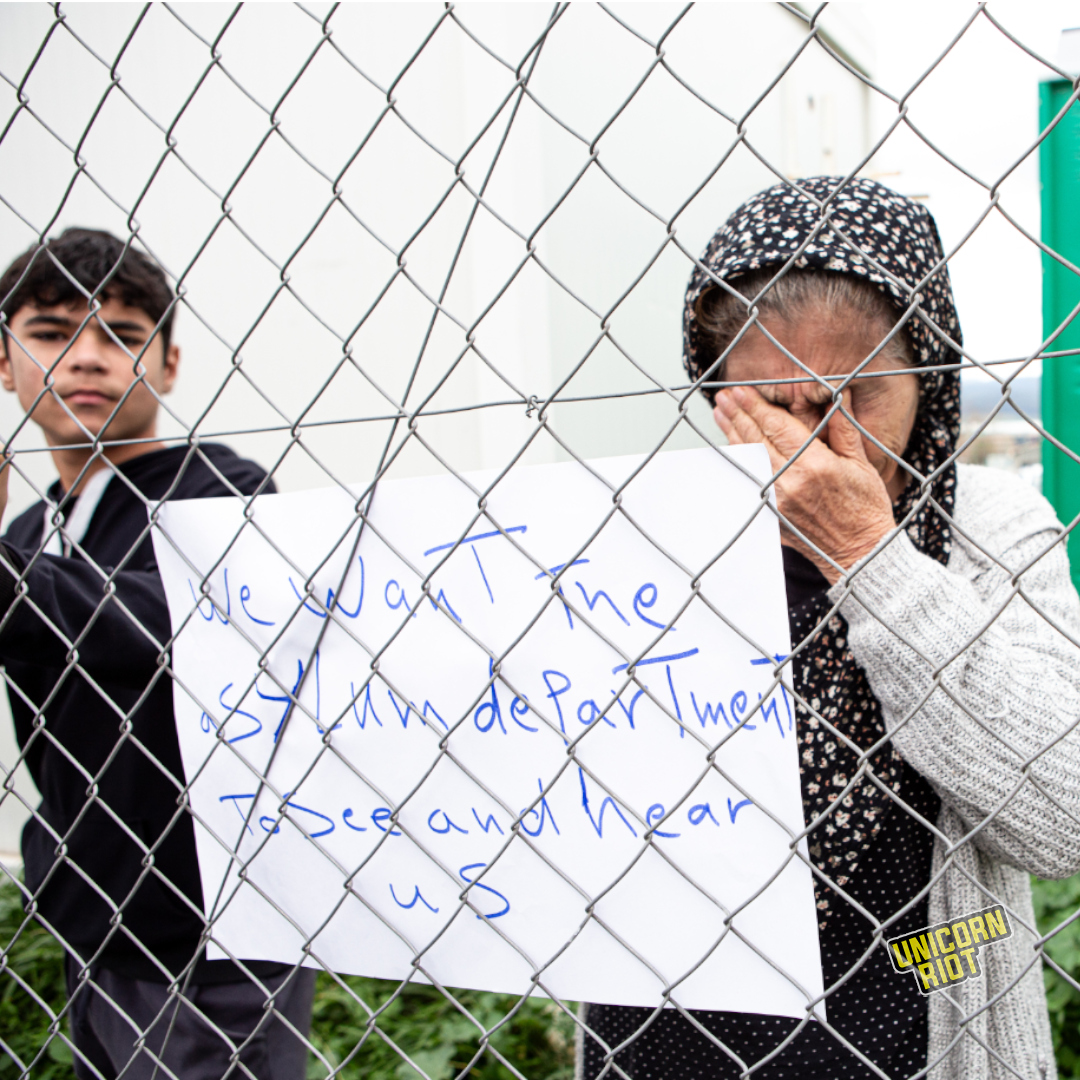
Among them is a 21-year-old Kurdish resident who fled Kobanî, Syria, with her family as refugees. They have been living in Oinofyta for nearly a year. Speaking with her full consent, she shared her experiences about the conditions in the camp. She said, in the days leading up to the protest, her 70-year-old mother began a hunger strike in response to what she describes as neglectful and discriminatory treatment of residents at the camp.
Residents described conditions in the camp as unbearable to live in. Many have been waiting for extended periods to receive official documents, with delays in the asylum process which ultimately blocks them from rebuilding their lives.
One of the Kurdish residents and her family are among those affected by these prolonged procedures. They are still waiting for their brother’s documents to be finalized.
The girl from the family said tensions escalated on February 17, when Kurdish residents organized a protest inside the camp to demand a meeting with the camp manager.
“They refuse to give us IDs and passports so we can leave,” she said, alleging the authorities are responsible.
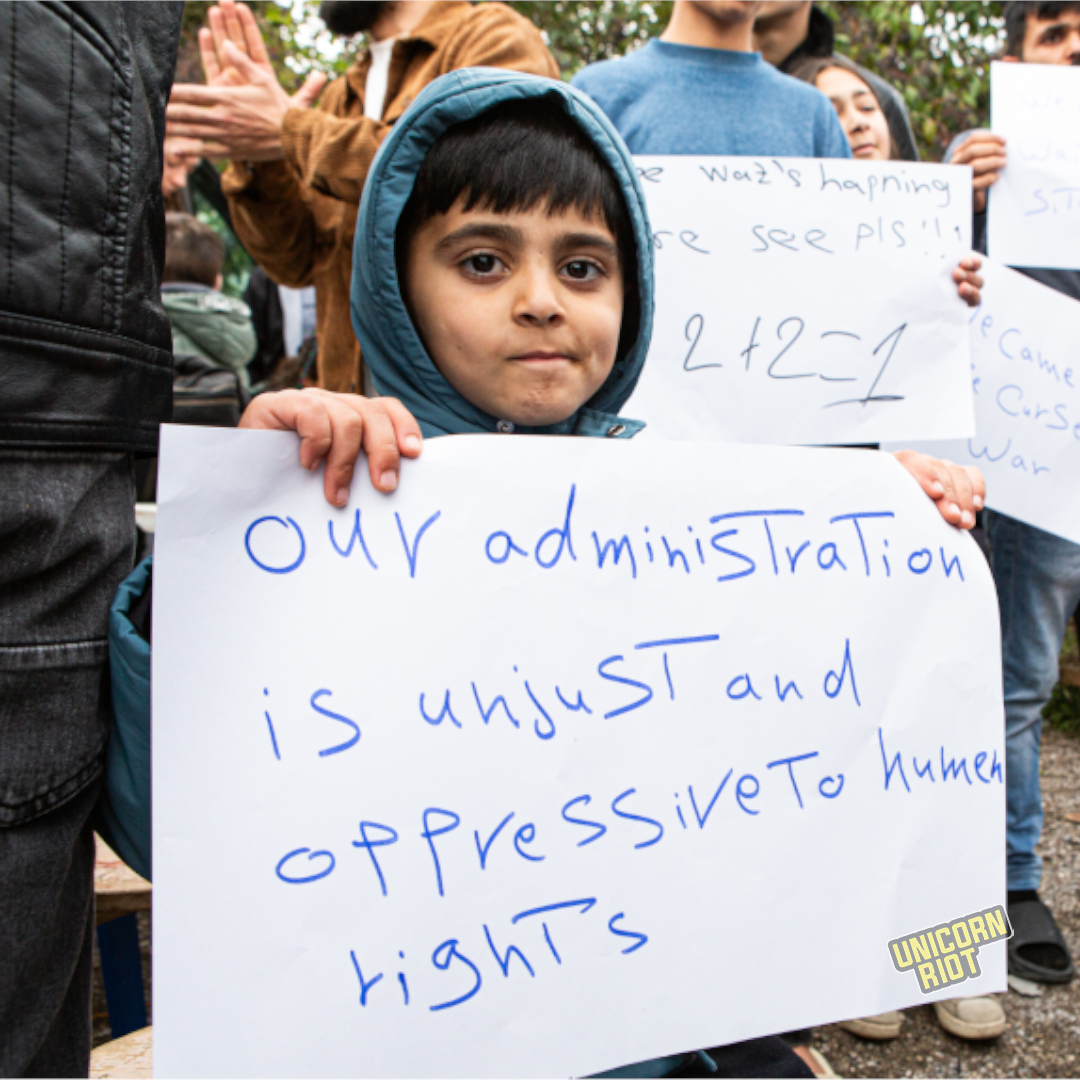
Many of the refugees reported repeated incidents of targeted discrimination against Kurdish residents at the camp. They also said that once the protest began, police were called and participants experienced verbal threats.
In the early hours of the protest on that day, Kurdish residents marched through heavy rain, including children and individuals in poor health, before heading to the local police station to file an official complaint about their situation.
“We want to get out of this hell, that’s why we started this action,” one of them said. “I know we will regret it, but we won’t give up.”
Recurring Issues at the Camp
The Oinofyta camp has been the subject of repeated reports and testimonies about the living conditions and treatment of residents.
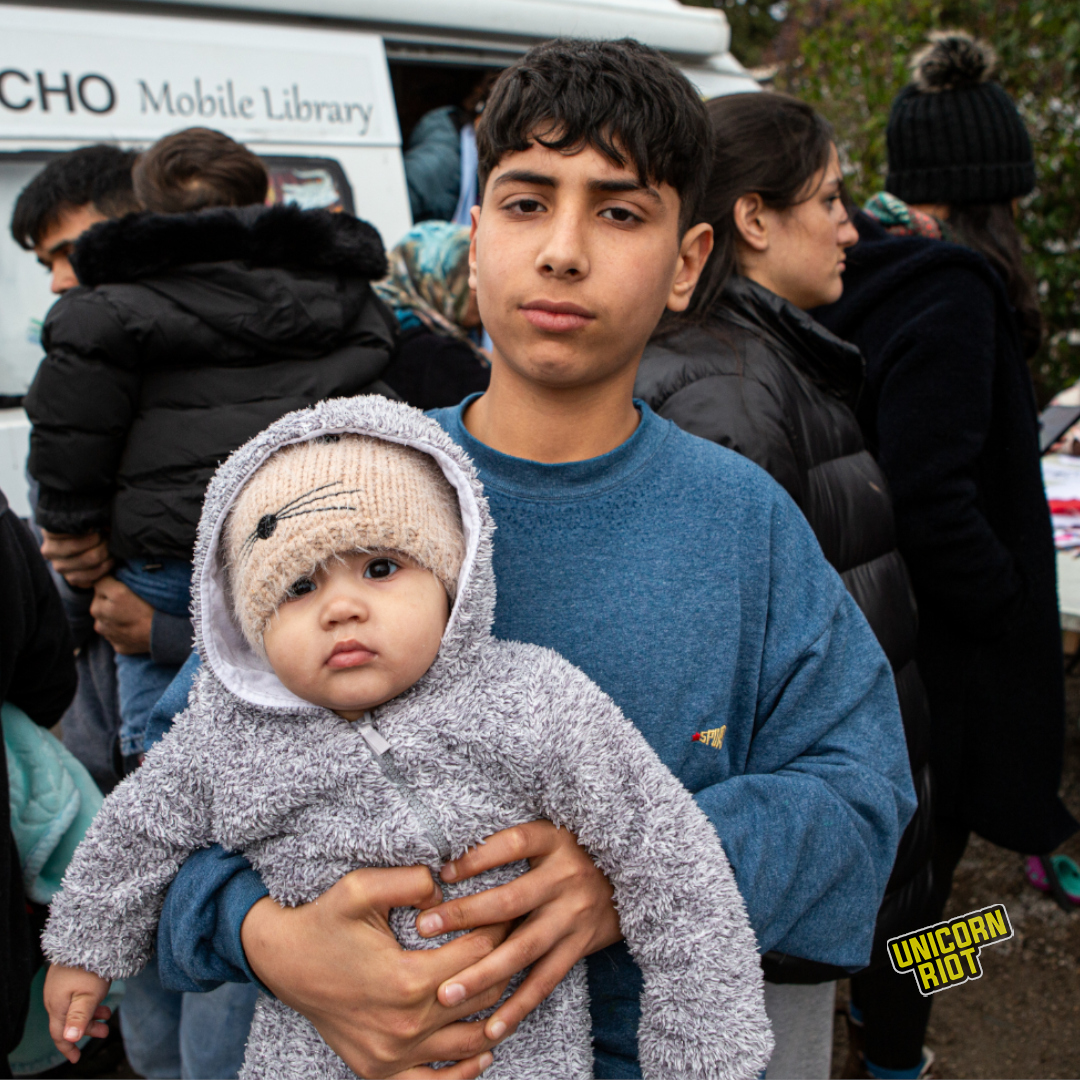
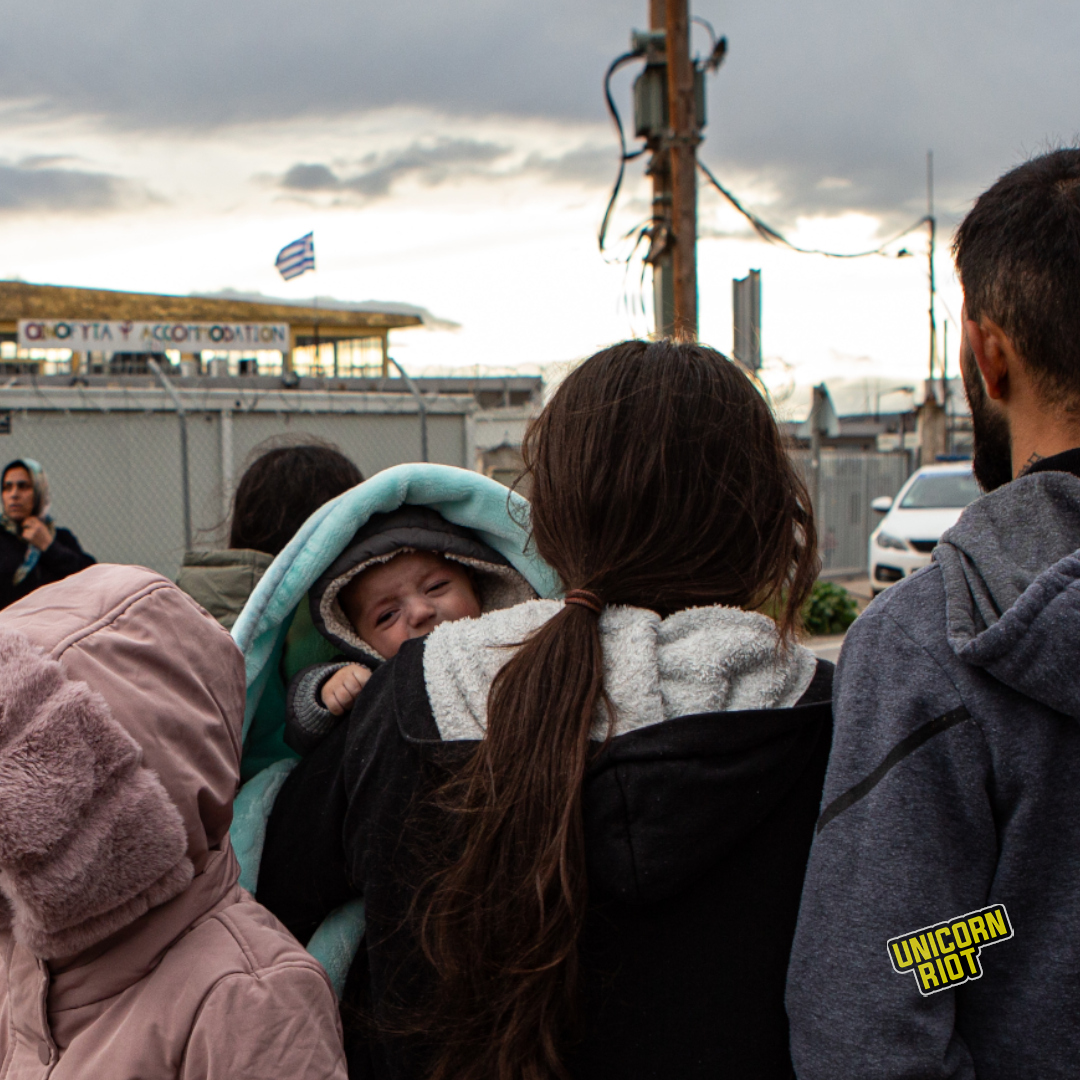
One of the major issues, according to both critics and residents, is that the distance from urban centers limits access for the migrants and refugees to have essential access to services, and opportunities. The isolation causes daily hardships for the residents. Some have even compared their experiences at the camp as a form of “confinement,” due to the lack of mobility and necessary infrastructure.
Residents say living conditions in the camp have also deteriorated significantly citing neglect and poor hygiene. Access to medical care is also said to be quite limited. They say that only one doctor visits the camp occasionally, though there are demands to have them visit more frequently as people require urgent attention and care.
Related: Greece: Migrant Dies Amid Inhumane Conditions in Eleonas Refugee Camp [2021]
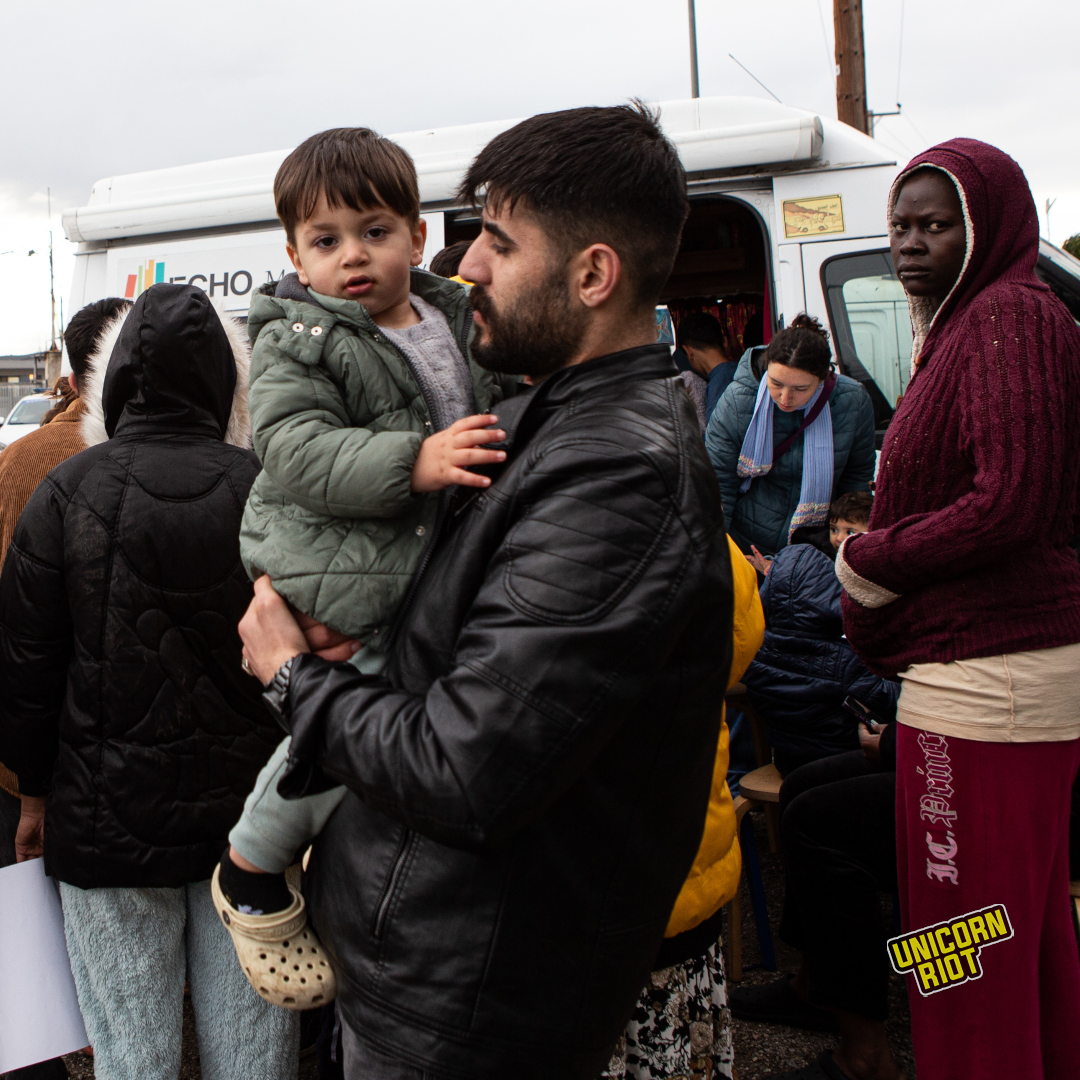
Residents further report difficulties in obtaining necessary medication and securing medical appointments. Food and water access has also been raised as a concern, with demonstrators continuing to share accounts of daily hardship alongside limited healthcare support.
Access to the camp was denied by both the police and camp administration at the time of the visit, raising concerns about transparency and independent verification of conditions inside.
“The camp is dirty. The toilets are unclean, and most of the time there is no light. We shower in the dark. It’s like this place is a prison and hell for us,” says a resident.
Allegations have also been raised that camp authorities have used pressure tactics against residents who do not comply with internal rules. These include claims that electricity was deliberately cut in certain rooms, as well as reports of restrictions placed on specific families, including limits on their ability to leave the camp for set periods of time.
The residents shared a similar wish: to leave the camp once and for all and begin a life where they are treated with respect and where they can begin rebuilding their futures.
The Anti-Immigration Policies that Affect the Lives of Migrants and Refugees
Back in 2015, Greece became one of the main entry points during the refugee crisis, when over a million people arrived in Europe by sea, many of them were fleeing war-torn countries, such as Syria, Afghanistan, and Iraq. However, the sudden flood of refugees placed tremendous pressure on a reception system that already had limited capacity.
Among those arriving were Kurdish refugees who had escaped the Syrian civil war and later instability in Kurdish regions such as Rojava. The region is best described as an experiment in democratic self-administration, based on values such as direct democracy and local governance. Cities such as Kobanî played an important role during this period, as this was a significant turning point in dealing major setbacks to the Islamic State group – otherwise known as Daesh.
For many Kurdish families, displacement did not end upon reaching Europe, but continued as conflict and insecurity persisted in Syria.
While there were EU fundings, including relocation support, that were introduced to ease the strain, the long-term impact on infrastructure and the asylum system remained substantial. Many camps then continued to face overcrowding and a lack of resources.
Harsh anti-immigration practices in Greece are not new, even with the left-wing SYRIZA government facing allegations of migrant mistreatment. These allegations became more prevalent after 2019, following the election of the New Democracy government.
Migration policy took a drastic and even more restrictive turn. Strict anti-immigration enforcement practices have become a central point of criticism under the New Democracy government, as part of its approach to managing refugees and migrants.
The rationale behind these policies is complex, including geopolitical reasonings and ideological reasons. However, critics argue that under the New Democracy government, the handling of refugees and migrants has come at substantial humanitarian cost. The government justifies anti-immigration practices and strict border enforcement often through arguments of national security and deterrence.
At the same time, Greece has repeatedly faced reports and allegations of breaches of international law and human rights. The police, operating under the Ministry of Citizen Protection, are among the first to implement migration policies directly on the ground. This hardline focus on border control and deterrence has been linked to numerous allegations of excessive use of force and mistreatment of migrants and refugees, particularly at the Evros land border and in the Aegean Sea.
Allegations of Human Rights Violations and Anti-Immigration Practices
To better understand the severe conditions within Greece’s migration system, the following recent examples help to illustrate the situation on the ground.
On July 11, 2025, the Greek parliament approved a three-month suspension of asylum applications for migrants who arrived irregularly from North Africa by boat. The policy was in effect from July 14 to October 14 last year. Major backlash emerged in the media, as the government enacted Article 79 of Law 5218/2025, which ordered immediate deportation to transit or origin countries without registration.
Another issue concerns the abuse of power by the Greek police. In the case of the Pylos shipwreck, allegations focused on state-perpetrated violence, with numerous human rights organizations and legal experts framing the Hellenic Coast Guard’s actions as resulting in the maritime mass death of an estimated 600 to 650 people on June 14, 2023.
[UR coverage of the Pylos shipwreck: Greek Seas: Europe’s Largest Migrant Cemetery, Distress Hotline Volunteer Speaks on 500+ Dead from Pylos Shipwreck, ‘We Want Justice’: One Year Since the Pylos Shipwreck]
A controversial story involved the island of Chios in February this year. A deadly incident occurred off the coast when an inflatable boat carrying migrants collided with a Hellenic Coast Guard patrol vessel near Mirsinidi, resulting in at least 15 confirmed deaths. These included children, while survivors also reported severe injuries.
Authorities argued the boat was navigating without lights and failed to comply with instructions to stop, leading to a collision. Survivors contested this account, alleging the patrol vessel struck them without warning and also intentionally.
[UR coverage of Chios collision: Deadly Aegean Sea Collision Raises Questions About Greek Coast Guard Operations]
In April this year, BBC investigations reported allegations that Greek police in the Evros region recruited migrants to act as so-called mercenaries in operations to force other migrants back to the Greek–Turkish border. The report cited internal documents, personal testimonies from migrants and former participants, and police sources describing extreme violence, including beatings, sexual harassment, and theft. These are considered illegal anti-immigration operations. Greek authorities, alongside Prime Minister Mitsotakis, denied any wrongdoing or knowledge of the allegations.
The Prime Minister, Kyriakos Mitsotakis, said he was not aware of the specific case but remained “unapologetic” about Greece’s migration policies. He reiterated that EU leaders had made it clear the bloc would not permit a large influx of migrants and refugees, nor repeat what they view as the mistakes of 2015.
In an interview with BBC, Mitsotakis stated:
“It is my obligation to ensure that the borders of the European Union are protected. I am going to be unapologetic about these policies. And I would like to inform you that all the members of the European Council, through their conclusions, have made it very, very clear that we will not allow a massive influx of migrants and refugees into the European Union and will not repeat the mistakes of 2015.”
Kyriakos Mitsotakis
Critics argue that these practices reflect the deadly consequences of a migration system built on deterrence. Many of these allegations have become increasingly normalized, appearing frequently in headlines.
Court cases over anti-immigration practices, recurring testimonies of mistreatment, prolonged asylum delays, and deteriorating camp conditions have, according to critics, created a prolonged state of limbo for asylum seekers in Greece. This includes policies such as the “safe third country” rule, under which asylum seekers are effectively left without a place to go, as other countries refuse to accept them, leaving them caught between states that do not assume responsibility.
Broader patterns of state-driven migration policies have not only manifested in the mistreatment of people in camps, but also through violence at borders and at sea. For many migrants and refugees, daily life in Greece becomes a constant struggle for survival, with experiences of exclusion and insecurity.
The Oinofyta camp is not an isolated case, as many other migration facilities have reportedly been in poor condition and associated with poor treatment. Migrants and refugees often feel increasingly ostracized from the public and broader society.
Future Implications and Solidarity Actions
Solidarity groups have played a crucial role in supporting refugees and migrants at the camp. A Kurdish resident of the Oinofyta refugee camp said in an interview that she was influenced by the community of the squatted Prosfygika neighborhood in Athens, particularly Aristotelis Hantzis’s hunger strike against state pressure to evict more than 400 residents. She described his action as inspiring, which encouraged her to begin a hunger strike to protest at the camp.
She added that her mother, the eldest in the camp and widely respected by residents, was inspired by these events and subsequently began her own hunger strike.
However, as morale declined within the camp and among many Kurdish residents, they eventually paused the protest after a few days.
Despite the isolation felt by many residents, several solidarity initiatives have attempted to respond to conditions in Oinofyta. Among them, Solidarity with Migrants, a non-profit organization based in Athens, visited the camp alongside activist collectives to provide support to refugees facing difficult living conditions.
In their statement they mentioned, “The goal of our visit was to support the ongoing struggles of refugees in Oinofyta about the conditions in the camp & the asylum process, to discuss with them about issues of material support and the repression and daily targeting of refugees by the camp management… We spoke individually to close to 70 residents, and we will continue to visit the camp regularly to support all residents in all possible ways.”
Solidarity with Migrants helps bridge the gap between activism and direct support for people in ongoing struggle. They play a key role in amplifying refugees’ voices and supporting their collective fight for justice. The group often visits camps and organizes events to raise awareness about migrant issues. It focuses primarily on building connections between migrants and local residents in neighborhoods and camps, while also providing material and legal support.
Another important point of contact has been the Kurdish Cultural Center, which hosted interviews to document residents’ experiences and demands in greater depth. There, Kurdish residents expressed a consistent call for dignity and fair treatment in their daily lives.
One of the residents reflected on shifting perceptions of Europe said they believed “it was much easier to live in Greece before, but now I don’t think they are happy with us — something is changing. Even if we are refugees, we are all human beings — and live together.”
This perception of Europe as once more welcoming and inclusive is increasingly being questioned. As migrants face mounting hardship and poor treatment by authorities, particularly in Greece but also across parts of the European Union, this has raised questions about migration policy and accountability.
The rise of far-right rhetoric targeting migrants and the normalization of hardline anti-immigration practices, reinforced by political figures such as Greece’s hardline Migration Minister Thanos Plevris, further amplifies these tensions.
In this context, many residents continue to express a desire for inclusion and safety.
All photos contributed by Elvis Takahashi Mantello.
Check out all Unicorn Riot coverage from Greece by clicking on image below:
Follow us on X (aka Twitter), Facebook, YouTube, Vimeo, Instagram, Mastodon, Threads, BlueSky and Patreon.
Please consider a tax-deductible donation to help sustain our horizontally-organized, non-profit media organization: