๐Ÿฆ„ Eco, Land & Housing

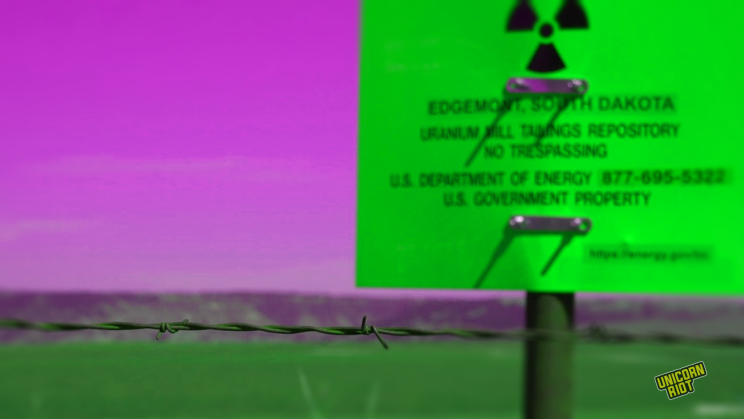
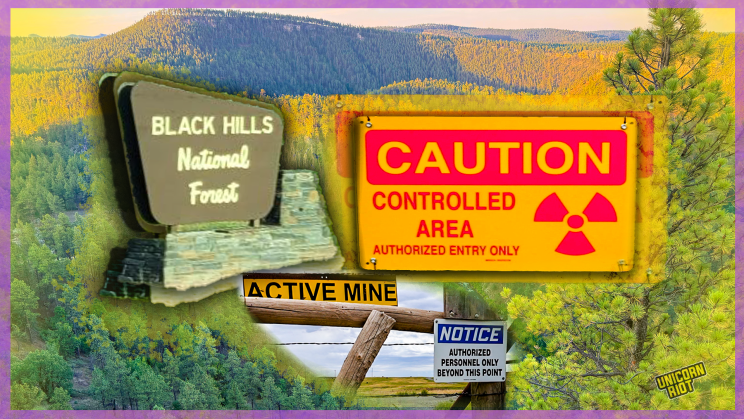
Mining in the Sacred and Stolen Black Hills, Then and Now

The colonization of the Black Hills by the U.S. government is one of the most well-known land thefts in American history. Since gold was discovered in the sacred lands of Paha Sapa or ศže Sรกpa, also known as the Black Hills, more than 150 years of tragedy, land exploitation, and legal issues followed and continue to this day.
๐Ÿฆ„ Eco

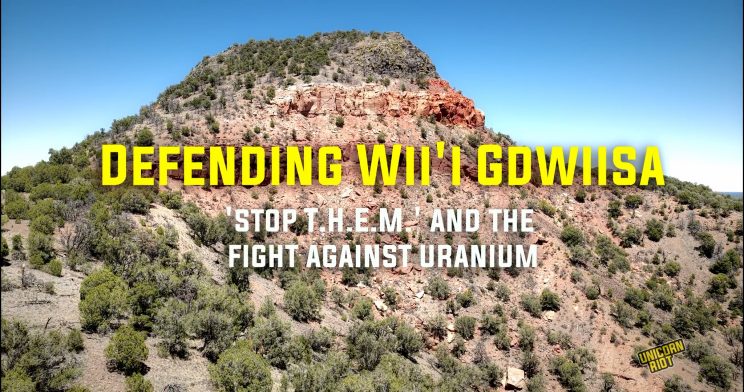
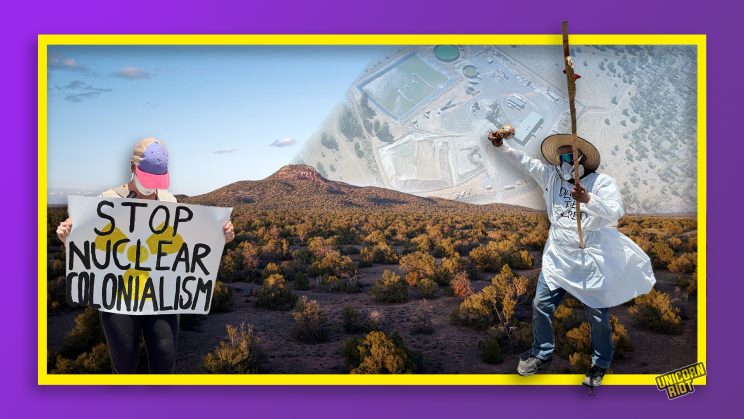
Indigenous Spiritual Walk in Utah Protests Last Conventional Uranium Mill

White Mesa, UT โ€” The White Mesa Mill was built in 1979 with plans to process uranium ore for 15 years. With the facility now well past its initial operational lifespan, the Ute Mountain Ute Tribe, other Indigenous tribes and allies continue their call for…

๐Ÿฆ„ Eco

Indigenous Human Rights Hearing in DC Scrutinizes Uranium Industry

Washington, D.C. โ€” Members of multiple Indigenous tribes testified on February 28, 2024 during a thematic hearing on the impacts of uranium exploitation on the human rights of Indigenous peoples in the United States. The hearing was held by the Inter-American Commission on Human Rights…

๐Ÿฆ„ Eco

Inaugural ‘No Uranium in Treaty Territory Summit’ Held in Rapid City

Rapid City, SD โ€“ The first-ever No Uranium in Treaty Territory Summit is taking place on Oglala Sioux Tribal land to alert the local public about the current fights against mining companies and to share knowledge about the extensive history of uranium mining in the…

๐Ÿฆ„ Community

EPA to Hear Public Comments in Proposed Uranium Mine in Black Hills

Hot Springs, SD – The U.S. Environmental Protection Agency (EPA) is holding a public comment hearing on their two updated draft permits concerning the Dewey Burdock proposed in-situ recovery (ISR) uranium mine and its proposed disposal of treated uranium mining waste fluids into the Minnelusa…